

DR Congo Visa: Requirements and How to Apply
Most travellers need a visa to enter DR Congo. Citizens of several neighbouring African countries can enter visa-free for short stays, a few nationalities can get a short visa on arrival, and most other passport holders apply in advance at a Congolese embassy or pre-register online for an airport visa. A full nationwide e-visa system has been announced but is not yet operating.
- e-Visa for 237 passports
- Verified
Plusvisa is a private visa application service, not a government agency or embassy. Official government source: EVISA RDC, evisa.gouv.cd.
Do you need a visa for DR Congo?
Almost all passports fall into one of the groups below; a full online e-visa for every nationality has been announced but is not yet available.
Which passport will you travel on?
Your route
Pick a passport
We will show the route DR Congo puts you on, the government fee for each visa type, and the guide written for your nationality.
The three routes
- Visa-free
Visa-free regional travel
Citizens of Burundi, the Republic of the Congo, Kenya, Rwanda, Tanzania, Uganda and Zimbabwe can enter without a visa for stays of up to 90 days.
- Visa on arrival
Visa on arrival or airport visa
Mauritian citizens receive a short visa on arrival. Travellers from countries with no Congolese embassy can pre-register online for an airport visa ('visa volant') and collect it on arrival.
- Embassy visa only
Apply at an embassy in advance
Most other passport holders must apply for a tourist, business or transit visa at a Congolese embassy or consulate before travelling, usually in their country of residence, with an invitation letter or hotel booking.
Government fees by passport
| Passport | Tourist | Guide |
|---|---|---|
| United Kingdom | — | Read guide |
| United States | — | Read guide |
| Canada | Not listed | — |
| Australia | Not listed | — |
| Ireland | Not listed | — |
| Germany | Not listed | — |
| South Africa | — | Read guide |
| India | — | Read guide |
| France | — | Read guide |
| Qatar | — | Read guide |
| Belgium | — | Read guide |
Which DR Congo visa exists, and what it allows
| e-Visa | Options | Processing | Usual government fee |
|---|---|---|---|
| TouristeVisa · 237 passports | — | Government fee not listed |
How DR Congo visa fees work

Fees are set in US dollars. Congolese embassies and the airport-visa portal both charge and quote visa fees in US dollars, even though the local currency is the Congolese franc.

Fees vary by visa type. The amount depends on the length of stay and whether the visa allows single or multiple entries. The table shows the current fee for each type.

No refunds. Embassy guidance states that visa fees are not refunded once an application has been submitted, including when it is refused.

No published express fee. Official sources list only standard processing times; no separate fee for faster processing is published.
What Plusvisa charges
The government fee is passed through at cost. Our service fee is on top, and every passport's page shows the total before you start.
If we make a mistake that leads to a refusal, we refund our fee and re-apply free.
See the total for my passportYour document checklist

Passport bio page
Valid for at least 6 months beyond the planned departure date, with at least two blank pages for visa stamps, signed and undamaged.

Passport-style photo
Recent colour photo, 2x2 inches (passport-style), taken in the last 6 months, plain background.

Visa application form
Completed, dated and signed in blue or black ink; printed where an embassy requires a paper form.

Invitation letter or hotel booking
A notarised invitation letter from a host or company, or a hotel booking and trip details for travellers without a local contact.

Yellow fever vaccination certificate
International certificate showing name, date of birth and gender as in the passport; vaccination needed at least 10 days before arrival.
Flight itinerary
A booking or confirmed itinerary showing arrival and departure dates; need not be a paid ticket for embassy applications.
Only for some travellers

Company letter
Only if Business travellers only. Letter on company letterhead, signed by a representative, stating the purpose of the trip and contact details.
The application, step by step
Before you apply
- 1
Get vaccinated against yellow fever
Receive the vaccine at least 10 days before travel and keep the certificate with your passport; it is checked on arrival.
- 2
Choose how you will apply
Decide whether to pre-register online for an airport visa through the government portal or to apply at the nearest Congolese embassy or consulate, depending on your nationality and travel plans.
- 3
Gather your documents
Collect your passport, photo, invitation letter or hotel booking, flight itinerary and yellow fever certificate before you start the application.
On the official portal
- 4
Register on the airport-visa portal
Create an account at evisa.gouv.cd, enter your passport and trip details, and upload the required documents.
- 5
Pay the visa fee online
Pay the fee shown on the portal and keep the payment confirmation to present on arrival.
- 6
Submit an embassy application
If applying at an embassy instead, hand in the printed form and documents in person or by post, following that embassy's own instructions.
After you apply
- 7
Collect the visa on arrival
Present your passport, online confirmation and yellow fever certificate at the immigration desk to receive the visa stamp, where the airport-visa route applies.
- 8
Keep your documents for the trip
Carry the visa, passport and vaccination certificate throughout your stay; they may be checked again on departure or at checkpoints.
Official website: evisa.gouv.cd (opens in a new tab)
One thing to have before you fly
Besides the visa, every visitor needs proof of yellow fever vaccination.
- 1
Yellow fever certificate
An international certificate of vaccination is required for entry. Get the vaccine at least 10 days before arrival and carry the signed, stamped card with your passport.
The only official website, and how to check status
This is the only official site for pre-registering an airport visa (visa volant) before flying to DR Congo. It is not yet a full e-visa system for every nationality, and any other website offering to arrange a DR Congo visa is a private service, not the government.
evisa.gouv.cd (opens in a new tab)EVISA RDCChecking your status
The portal does not publish a public status-checking tool. Applicants should contact the Direction Générale de Migration or the processing embassy to confirm an application.
Why DR Congo e-Visas get rejected
Almost every refusal is a file problem, not a judgement about you.
Incomplete documents
Missing photos, invitation letters, or an incomplete application form are common reasons applications are delayed or refused.
Insufficient passport validity
A passport without at least six months of validity and blank visa pages can be refused.

No yellow fever certificate
Entry can be refused without a valid international yellow fever vaccination certificate.

Visa from wrong country
A visa issued by an embassy outside your country of residence can be refused on arrival, unless there is no Congolese embassy in that country.
Unclear purpose of travel
Missing proof of accommodation, return travel plans or a clear reason for the visit can lead to refusal, especially for tourist applications.

Discretion of immigration services
Applications are reviewed by DRC immigration services, who may refuse, delay or shorten a visa at their discretion, even with complete documents.
Sockets and power in DR Congo
Type C
Two round pins · 2.5 A

Type D
Three round pins · 5 A
Type E
Two round pins · 16 A
Type C
DR Congo uses type C, D and E sockets. If your own plugs are a different type, one type C adapter covers the whole trip.
Voltage
220 V · 50 Hz
Check the label on chargers and appliances: anything marked 100–240 V, 50/60 Hz works here with only an adapter, no converter.

Pack: a type C adapter unless your own plugs already match, and a small power strip — hotel rooms rarely have more than two sockets.
DR Congo drives on the right
Traffic side:
DR Congo · right-hand traffic

Getting around
Public transport and shared taxis are considered unreliable and unsafe. Official travel advice recommends a hired car with driver or pre-arranged airport transfers, and avoiding travel after dark.
Health preparation
Yellow fever vaccination is required for entry. Hepatitis A and B vaccination is recommended, malaria precautions are advised, and travellers should check for other health notices before the trip.

Safety awareness
Several provinces, especially North and South Kivu, see active conflict and official advisories warn against all travel there. Stay informed on the local security situation and follow curfews even in Kinshasa.
Congolese Francs, cash and cards
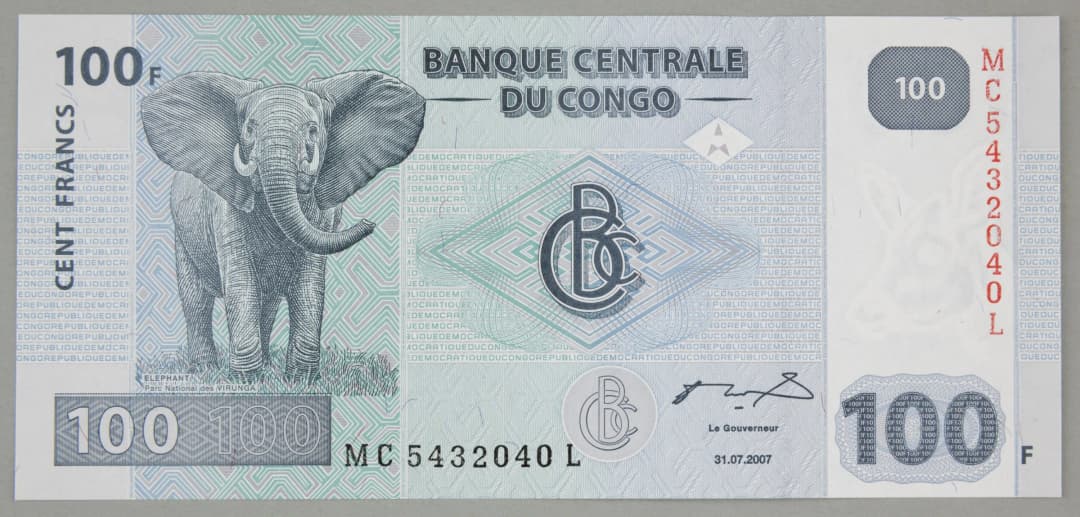
DR Congo uses the Congolese Franc (CDF).

US dollars are widely used
Many hotels, flights and larger purchases are priced in US dollars alongside the Congolese franc. Carrying some small, clean US dollar notes is useful.

Cards have limited use
Card payments are mostly limited to a few hotels and businesses in Kinshasa. Do not rely on card payments elsewhere in the country.

ATMs are limited and risky
ATMs are scarce outside the capital, and official travel advice warns of theft around cash machines. Withdraw and carry cash carefully and avoid displaying it in public.
Weather by month (Kinshasa)
- Daytime high
- Grey row = night low
- Best time to go
- Daytime high
- Grey row = night low
- Best time to go
| Month | High, °C | Low, °C | Rain, mm |
|---|---|---|---|
| January | 28.8 | 21.5 | 165.5 |
| February | 29.2 | 21.7 | 165 |
| March | 29.2 | 21.8 | 206.5 |
| April | 29 | 21.9 | 206.7 |
| May | 28.9 | 21.4 | 148.8 |
| June · best | 28.8 | 19.2 | 13.5 |
| July · best | 29 | 18.4 | 3.4 |
| August · best | 30 | 19.5 | 13 |
| September · best | 30.6 | 21.2 | 56.7 |
| October | 29.6 | 21.7 | 175.5 |
| November | 28.4 | 21.5 | 278.4 |
| December | 28.3 | 21.4 | 248.9 |
Monthly averages. Source: NASA POWER climatology, 2001-2020.
June · ideal
The best window runs June, July, August and September.
High 28.8°CLow 19.2°CRain 13.5 mm
Sweet spot: Kinshasa has a tropical climate with a long wet season and a cooler, drier season from around June to September. The drier months bring less rain and lower humidity, making them the more comfortable time to visit.
Tipping in DR Congo
CDF 2,000
Restaurant bill
Only where a service charge is not already added; check the bill first.
5–10%
on a CDF 2,000 bill: CDF 100
Hotel porter
Per bag, in Congolese francs or a small USD equivalent.
CDF 1,000–CDF 3,000
Tour or trekking guide
Per day; more for specialised park or gorilla-trekking guides.
CDF 5,000–CDF 15,000
Taxi or driver
Rounding up the fare is appreciated but not expected.
No tip expected
SIM, eSIM or roaming?
Local SIM
RecommendedLocal SIM card
Airport kiosks or operator shops in Kinshasa (Vodacom, Orange, Airtel) Needs passport registration; coverage is strongest in cities and patchy elsewhere.
eSIM
Travel eSIM
International eSIM providers, bought online before departure Convenient for arrival connectivity, but confirm the provider covers DR Congo's networks.
Roaming
Roaming from home
Activate through your home operator before travel Usually the most expensive option; check rates, since coverage can be patchy outside cities.
If it's your first time: three you shouldn't skip

Goma
Virunga National Park
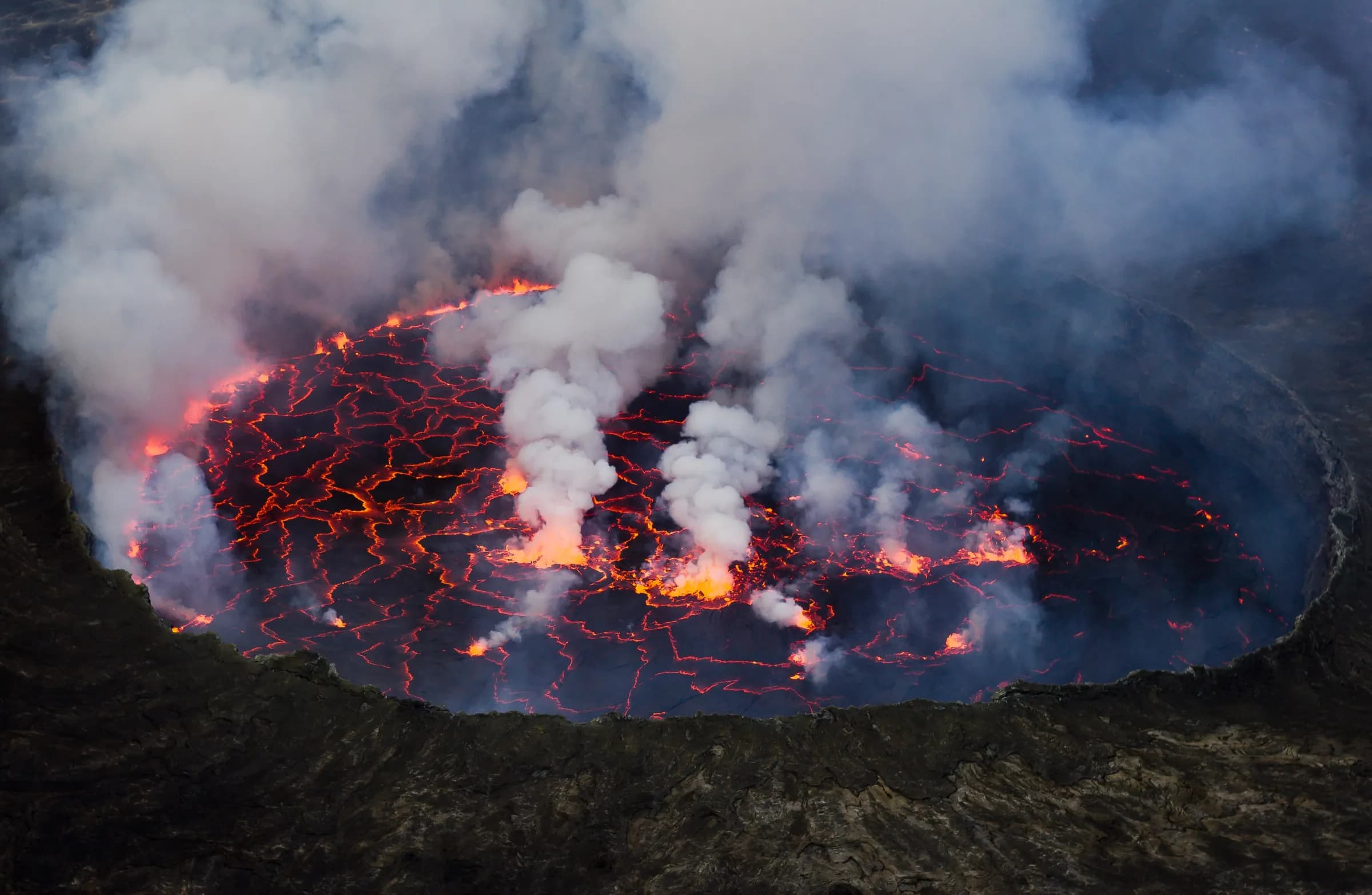
Africa's oldest national park, known for mountain gorilla trekking and the active Nyiragongo volcano; check current access conditions before planning a visit.
Kinshasa
Kinshasa
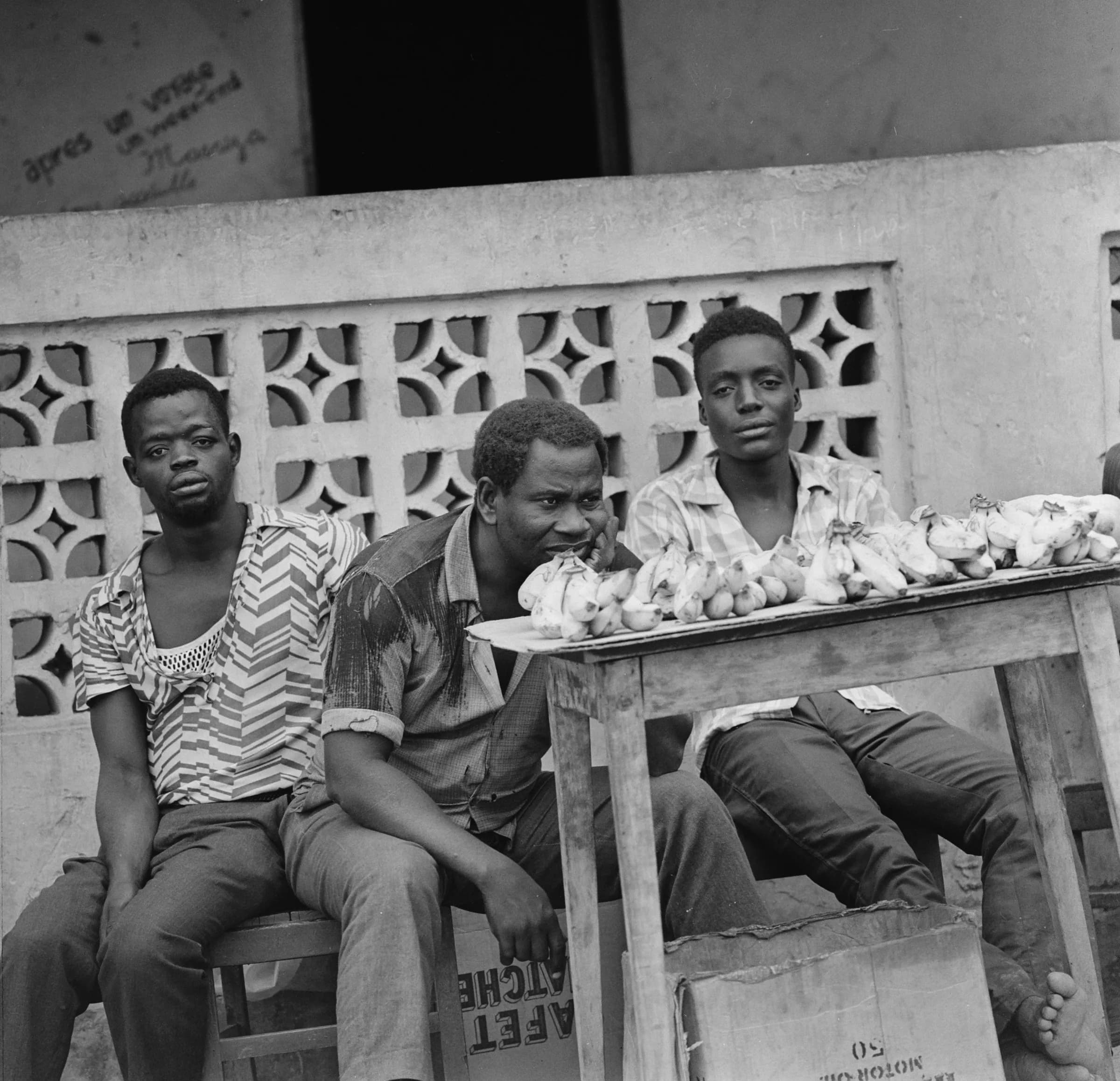
The capital on the Congo River, with lively markets, live music and river views; most visitors base themselves in the Gombe commune.
Bukavu
Kahuzi-Biega National Park
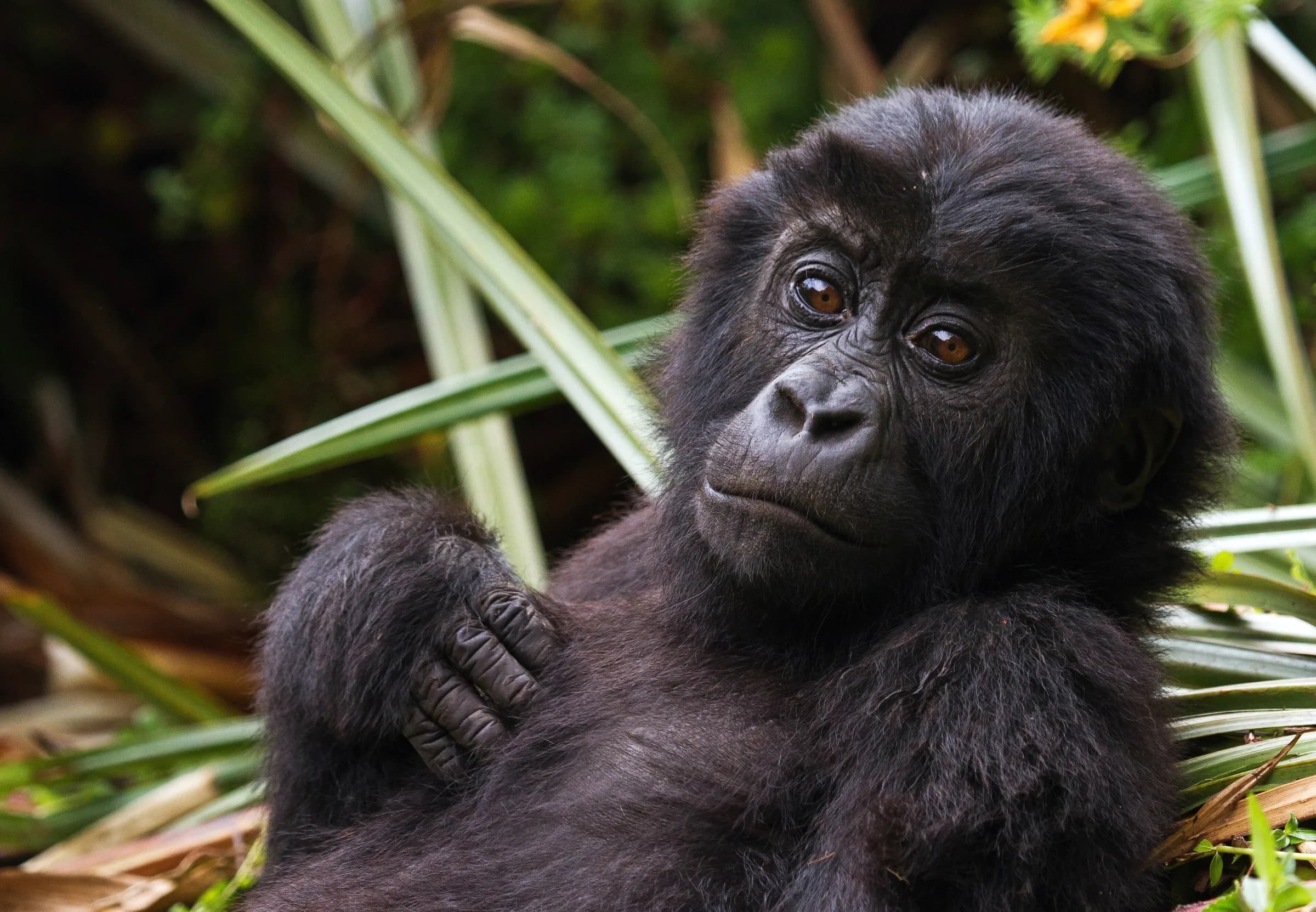
A UNESCO-listed rainforest park home to eastern lowland gorillas; check current access and safety conditions before travelling.
Questions everyone asks about DR Congo visas
Most travellers do. A few neighbouring countries have visa-free access for up to 90 days, a small number of nationalities can get a visa on arrival, and most others apply at an embassy or pre-register for an airport visa online.
Not yet for every nationality. The government has announced a full e-visa platform, but currently only an online airport-visa (visa volant) pre-registration service operates, mainly for travellers without a nearby embassy.
Yes. An international yellow fever vaccination certificate is required for entry, and the vaccine should be given at least 10 days before arrival.
It depends on the route. Visa-free regional travellers can stay up to 90 days, visas on arrival are usually short, and embassy-issued visas state their own validity.
Visas obtained on arrival are reported to be extendable through the Direction Générale de Migration inside the country. For other visa types, check with the issuing embassy.
The only official site is evisa.gouv.cd. Always check current eligibility, since this service and the wider e-visa plan are still developing.
You may be able to request a visa confirmation (visa volant) by email from the Direction Générale de Migration and use it to get a visa on arrival.
Several provinces, including North and South Kivu, face active conflict, and official travel advisories warn against travel there. Check your government's current advisory before planning a trip.
Now read the one written for your passport
Each guide has the fee for that passport, its maximum stay, the rules that apply only to it, and the application itself.
United States
Route, fee and documents for this passport
South Africa
Route, fee and documents for this passport
India
Route, fee and documents for this passport
France
Route, fee and documents for this passport
Qatar
Route, fee and documents for this passport
United Kingdom
Route, fee and documents for this passport
Belgium
Route, fee and documents for this passport
Every other passport →
Pick your passport for your route, your fee and your documents.
DR Congo visa for every other passport (237)
- Afghan citizens
- Aland-Islander citizens
- Albanian citizens
- Algerian citizens
- American-Samoan citizens
- Andorran citizens
- Angolan citizens
- Anguillan citizens
- Antiguan citizens
- Argentinian citizens
- Aruban citizens
- Ascension-Islander citizens
- Australian citizens
- Austrian citizens
- Azerbaijani citizens
- Bahamian citizens
- Bahraini citizens
- Bangladeshi citizens
- Barbadian citizens
- Belarusian citizens
- Belizean citizens
- Beninese citizens
- Bermudian citizens
- Bhutanese citizens
- Bolivian citizens
- Caribbean-Netherlands citizens
- Bosnian citizens
- Botswanan citizens
- Bouvet-Island citizens
- Brazilian citizens
- British-Indian-Ocean-Territory citizens
- Bruneian citizens
- Bulgarian citizens
- Burkinabe citizens
- Cambodian citizens
- Cameroonian citizens
- Canadian citizens
- Cape-Verdean citizens
- Caymanian citizens
- Central-African citizens
- Chadian citizens
- Chilean citizens
- Chinese citizens
- Christmas-Islander citizens
- Cocos-Islander citizens
- Colombian citizens
- Comoran citizens
- Cook-Islander citizens
- Costa-Rican citizens
- Ivorian citizens
- Croatian citizens
- Cuban citizens
- Curacaoan citizens
- Cypriot citizens
- Czech citizens
- Danish citizens
- Djiboutian citizens
- Dominica citizens
- Dominican citizens
- Ecuadorian citizens
- Egyptian citizens
- Salvadoran citizens
- Equatoguinean citizens
- Eritrean citizens
- Estonian citizens
- Swazi citizens
- Ethiopian citizens
- Falkland-Islander citizens
- Faroese citizens
- Fijian citizens
- Finnish citizens
- French-Guianese citizens
- French-Polynesian citizens
- French-Southern-Territories citizens
- Gabonese citizens
- Gambian citizens
- Georgian citizens
- German citizens
- Ghanaian citizens
- Gibraltarian citizens
- Greek citizens
- Greenlandic citizens
- Grenadian citizens
- Guadeloupean citizens
- Guamanian citizens
- Guatemalan citizens
- Guernsey citizens
- Guinean citizens
- Bissau-Guinean citizens
- Guyanese citizens
- Haitian citizens
- Heard-And-Mcdonald-Islands citizens
- Vatican citizens
- Honduran citizens
- Hong-Kong citizens
- Hungarian citizens
- Icelandic citizens
- Indonesian citizens
- Iranian citizens
- Iraqi citizens
- Irish citizens
- Manx citizens
- Israeli citizens
- Italian citizens
- Jamaican citizens
- Japanese citizens
- Jersey citizens
- Jordanian citizens
- Kazakh citizens
- Kenyan citizens
- I-Kiribati citizens
- Kosovar citizens
- Kuwaiti citizens
- Kyrgyz citizens
- LAO citizens
- Latvian citizens
- Lebanese citizens
- Basotho citizens
- Liberian citizens
- Libyan citizens
- Liechtensteiner citizens
- Lithuanian citizens
- Luxembourgish citizens
- Macanese citizens
- Malagasy citizens
- Malawian citizens
- Malaysian citizens
- Maldivian citizens
- Malian citizens
- Maltese citizens
- Marshallese citizens
- Martinican citizens
- Mauritanian citizens
- Mauritian citizens
- Mayotte citizens
- Mexican citizens
- Micronesian citizens
- Moldovan citizens
- Monegasque citizens
- Mongolian citizens
- Montenegrin citizens
- Montserratian citizens
- Moroccan citizens
- Mozambican citizens
- Burmese citizens
- Namibian citizens
- Nauruan citizens
- Nepali citizens
- Dutch citizens
- New-Caledonian citizens
- New-Zealand citizens
- Nicaraguan citizens
- Nigerien citizens
- Nigerian citizens
- Niuean citizens
- Norfolk-Islander citizens
- North-Korean citizens
- Macedonian citizens
- Northern-Mariana-Islander citizens
- Norwegian citizens
- Omani citizens
- Pakistani citizens
- Palauan citizens
- Palestinian citizens
- Panamanian citizens
- Papua-New-Guinean citizens
- Paraguayan citizens
- Peruvian citizens
- Filipino citizens
- Pitcairn-Islander citizens
- Polish citizens
- Portuguese citizens
- Puerto-Rican citizens
- Reunionese citizens
- Romanian citizens
- Russian citizens
- Saint-Barthelemy citizens
- Saint-Helenian citizens
- Kittitian citizens
- Saint-Lucian citizens
- Saint-Martin citizens
- Saint-Pierre-And-Miquelon citizens
- Vincentian citizens
- Samoan citizens
- Sammarinese citizens
- Santomean citizens
- Saudi citizens
- Senegalese citizens
- Serbian citizens
- Seychellois citizens
- Sierra-Leonean citizens
- Singaporean citizens
- Sint-Maarten citizens
- Slovak citizens
- Slovenian citizens
- Solomon-Islander citizens
- Somali citizens
- South-Georgia citizens
- South-Korean citizens
- South-Sudanese citizens
- Spanish citizens
- Sri-Lankan citizens
- Sudanese citizens
- Surinamese citizens
- Svalbard citizens
- Swedish citizens
- Swiss citizens
- Syrian citizens
- Taiwanese citizens
- Tajik citizens
- Tanzanian citizens
- Thai citizens
- Timorese citizens
- Togolese citizens
- Tokelauan citizens
- Tongan citizens
- Trinidadian citizens
- Tunisian citizens
- Turkish citizens
- Turkmen citizens
- Turks-And-Caicos-Islander citizens
- Tuvaluan citizens
- Ugandan citizens
- Ukrainian citizens
- Emirati citizens
- Us-Minor-Outlying-Islands citizens
- Uruguayan citizens
- Uzbek citizens
- Ni-Vanuatu citizens
- Venezuelan citizens
- Vietnamese citizens
- British-Virgin-Islander citizens
- Us-Virgin-Islander citizens
- Wallis-And-Futuna citizens
- Sahrawi citizens
- Yemeni citizens
- Zambian citizens