

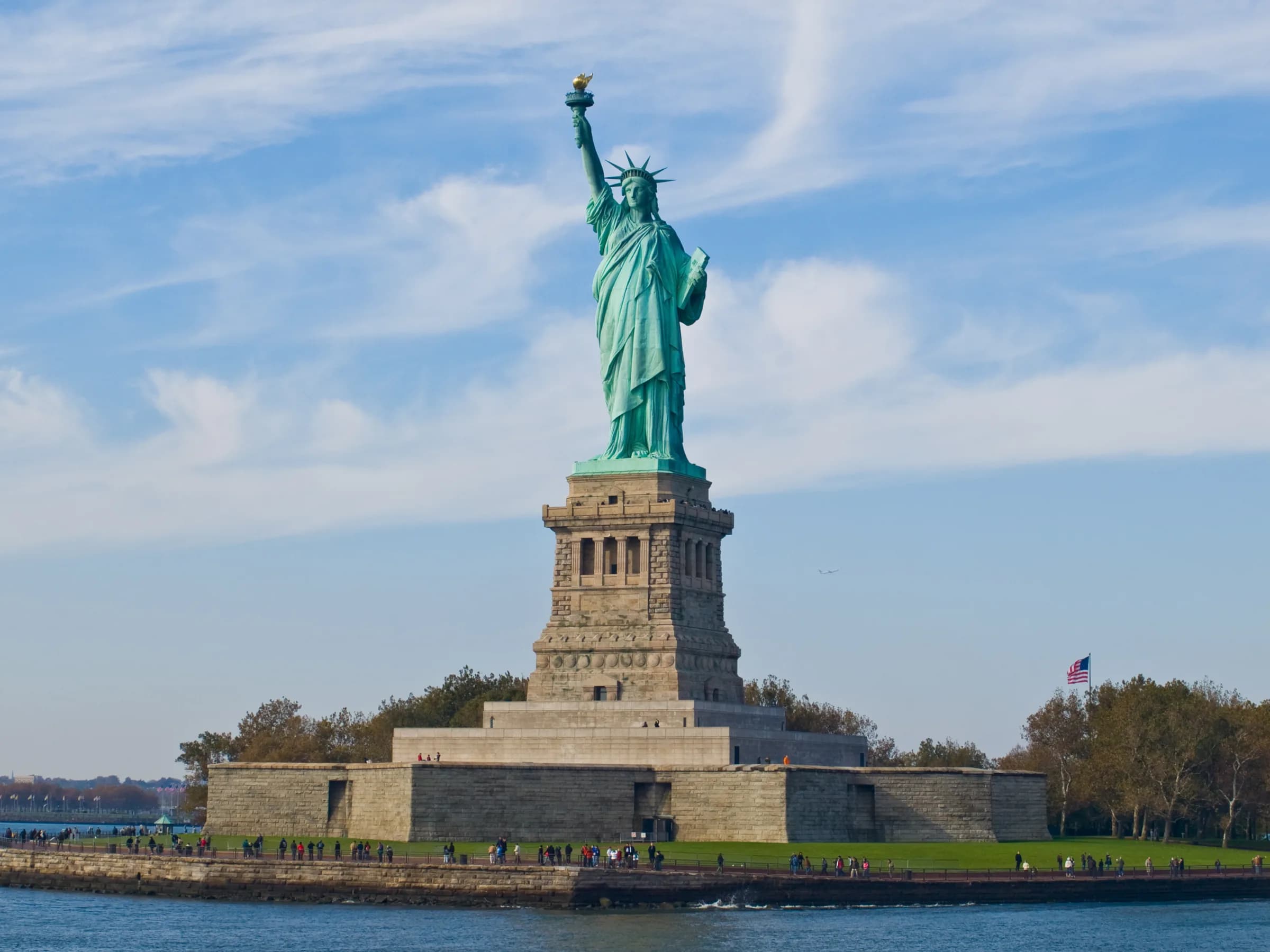
United States Visa: ESTA, Visa Waiver and Visa Rules
Nationals of 42 countries can travel to the United States on ESTA, the Visa Waiver Program's online authorisation, for stays of up to 90 days. Citizens of Canada, and a few island nations with special agreements, can enter without a visa or ESTA. Everyone else must apply in advance for a nonimmigrant visa at a US embassy or consulate.
- e-Visa for 39 passports
- Government fee from $25
- Verified
Plusvisa is a private visa application service, not a government agency or embassy. Official government source: ESTA (Visa Waiver travellers) and DS-160/visa system (everyone else), esta.cbp.dhs.gov.
Do you need a visa for the United States?
Most passports fall into one of three groups.
Which passport will you travel on?
Your route
Pick a passport
We will show the route United States puts you on, the government fee for each visa type, and the guide written for your nationality.
The three routes
- e-Visa eligible
39 passports
Nationals of 42 countries, mostly in Europe and the Asia-Pacific plus Australia, Japan, South Korea, Singapore, Chile and Israel, apply online for ESTA instead of a visa and may stay up to 90 days.
- Visa-free
Visa-free entry
Canadian citizens, nationals of the Marshall Islands, Micronesia and Palau, and some neighbouring island jurisdictions such as Bermuda and the Bahamas, can enter without a visa or ESTA under separate agreements.
- Embassy visa only
Visa required
Every other passport must apply for a nonimmigrant visa, usually a B-1/B-2 visitor visa, at a US embassy or consulate before travelling.
Government fees by passport
| Passport | Standard Processing | Super Urgent Processing | Urgent Processing | Guide |
|---|---|---|---|---|
| United Kingdom | $25 | $25 | $25 | Read guide |
| United States | — | — | — | — |
| Canada | — | — | — | — |
| Australia | $25 | $25 | $25 | Read guide |
| Ireland | $25 | $25 | $25 | Read guide |
| Germany | $25 | $25 | $25 | Read guide |
| Chile | $25 | $25 | $25 | Read guide |
| Sweden | $25 | $25 | $25 | Read guide |
| Taiwan | $25 | $25 | $25 | Read guide |
| Switzerland | $25 | $25 | $25 | Read guide |
| Spain | $25 | $25 | $25 | Read guide |
| South Korea | $25 | $25 | $25 | Read guide |
| Singapore | $25 | $25 | $25 | Read guide |
| Portugal | $25 | $25 | $25 | Read guide |
| Poland | $25 | $25 | $25 | Read guide |
| Norway | $25 | $25 | $25 | Read guide |
| New Zealand | $25 | $25 | $25 | Read guide |
| Netherlands | $25 | $25 | $25 | Read guide |
| Japan | $25 | $25 | $25 | Read guide |
| Italy | $25 | $25 | $25 | Read guide |
| Israel | — | — | — | Read guide |
| Greece | $25 | $25 | $25 | Read guide |
| Finland | $25 | $25 | $25 | Read guide |
| Denmark | $25 | $25 | $25 | Read guide |
| Czech Republic | $25 | $25 | $25 | Read guide |
| Belgium | $25 | $25 | $25 | Read guide |
| Austria | $25 | $25 | $25 | Read guide |
Which United States visa exists, and what it allows
| e-Visa | Options | Processing | Usual government fee |
|---|---|---|---|
| Standard ProcessingeVisa · 39 passports |
| 2–3 business days | $25 |
| Super Urgent ProcessingeVisa · 39 passports |
| 12 hours | $25 |
| Urgent ProcessingeVisa · 39 passports |
| 24 hours | $25 |
How United States visa fees work

Set by the US government. Visa fees are set in US dollars by the Department of State. The application fee is the same worldwide; some nationalities also pay a separate reciprocity fee mirroring what their country charges US citizens.

ESTA has two parts. The ESTA charge combines a small application fee and a larger approval fee, paid together online once the authorisation is approved.

Fees are not refunded. The visa application fee is kept even if the visa is refused. The ESTA fee is non-refundable once submitted.

No official express service. Neither process publishes a paid option for faster processing; some embassies offer expedited interviews only in limited, documented cases.
What Plusvisa charges
The government fee is passed through at cost. Our service fee is on top, and every passport's page shows the total before you start.
If we make a mistake that leads to a refusal, we refund our fee and re-apply free.
See the total for my passportYour document checklist

Passport biographic page
Must be machine-readable; Visa Waiver Program travellers need a biometric e-passport. Validity needed varies by nationality and route, so check with the relevant embassy or the ESTA system.

Digital photo
Recent colour photo, square format, plain white or off-white background, full face looking at the camera, no glasses, uploaded with the DS-160 or ESTA application.

Evidence of ties and funds
Proof of ties to the home country and of the means to pay for the trip, shown to the consular officer at interview; not uploaded online.
Only for some travellers

DS-160 confirmation page
Only if Visa applicants only. Printed confirmation page with barcode from the online Form DS-160, brought to the visa interview.ESTA application record
Only if Visa Waiver Program travellers only. Completed online using passport details exactly as printed, ideally at least 72 hours before departure.
Not eligible for any e-Visa
The application, step by step
Before you apply
- 1
Check your route
Confirm whether your passport is visa-free, ESTA-eligible, or needs a visa, and gather your passport, photo and travel details.
- 2
Complete the online form if needed
Visa-free nationals need no form. Visa Waiver travellers submit an ESTA application. Everyone else completes Form DS-160 before booking a visa interview.
On the official portal
- 3
Pay the fee
Visa-free travellers pay nothing in advance. Others pay the ESTA charge online, or pay the visa application fee as instructed after submitting the DS-160.
- 4
Attend the interview if required
Most visa applicants aged 14 to 79 attend an in-person interview at a US embassy or consulate; some may qualify for a waiver. ESTA and visa-free travellers do not attend an interview.
After you apply
- 5
Collect the passport if a visa was issued
If approved, the visa is stamped into the passport and returned; ESTA approval is instead linked electronically to the passport number, and visa-free travellers need nothing extra.
- 6
Clear arrival inspection
On arrival, a CBP officer makes the final admission decision for every traveller, and an electronic Form I-94 is created automatically.
Official website: esta.cbp.dhs.gov (opens in a new tab)
The only official website, and how to check status
ESTA applications are only accepted at esta.cbp.dhs.gov, run by US Customs and Border Protection. Visa applicants use the Department of State's own DS-160 and embassy appointment system. Any other site charging to 'process' an application is a private, non-official service.
esta.cbp.dhs.gov (opens in a new tab)ESTA (Visa Waiver travellers) and DS-160/visa system (everyone else)Checking your status
An ESTA applicant checks status by signing back into their own ESTA account. A visa applicant checks status on the Department of State's case-status system using their interview case number.
Why United States e-Visas get rejected
Almost every refusal is a file problem, not a judgement about you.
Presumed intending immigrant
Under section 214(b), every visitor-visa applicant is assumed to intend to stay permanently until they show enough ties to their home country to satisfy the consular officer they will return.
Incomplete or inconsistent application
Errors or mismatches between the DS-160 or ESTA form and the passport, or missing answers to the eligibility questions, are common causes of delay or refusal.

Criminal or health grounds
Certain criminal convictions, drug offences, or communicable diseases of public-health significance make an applicant inadmissible.

Past immigration violations
A previous overstay, deportation, or working without authorisation in the US counts heavily against a new application.
Restricted travel history or nationality
Recent travel to certain countries, or holding dual nationality of a restricted country, blocks use of the Visa Waiver Program and may affect a visa application.

Insufficient supporting evidence
Visa applicants who cannot show the purpose of the trip, funds to cover it, or ties drawing them home may be refused at interview.
Sockets and power in the United States
Type A
Two flat pins
Type B
Two flat pins · earthed
Type A
The United States uses type A and B sockets. If your own plugs are a different type, one type A adapter covers the whole trip.
Voltage
120 V · 60 Hz
Check the label on chargers and appliances: anything marked 100–240 V, 50/60 Hz works here with only an adapter, no converter.

Pack: a type A adapter unless your own plugs already match, and a small power strip — hotel rooms rarely have more than two sockets.
The United States drives on the right
Traffic side:
United States · right-hand traffic

Getting around
Distances are huge. Domestic flights, Amtrak trains between major cities, and rental cars cover most trips; public transit is limited outside big cities, so many visitors drive.
Health and insurance
There is no free public healthcare for visitors, and treatment can be very expensive. Travel insurance that covers medical costs is strongly recommended before the trip.

Entry and customs screening
Arriving travellers go through CBP inspection and may be asked about their trip; food items, large cash amounts and some goods must be declared on arrival.
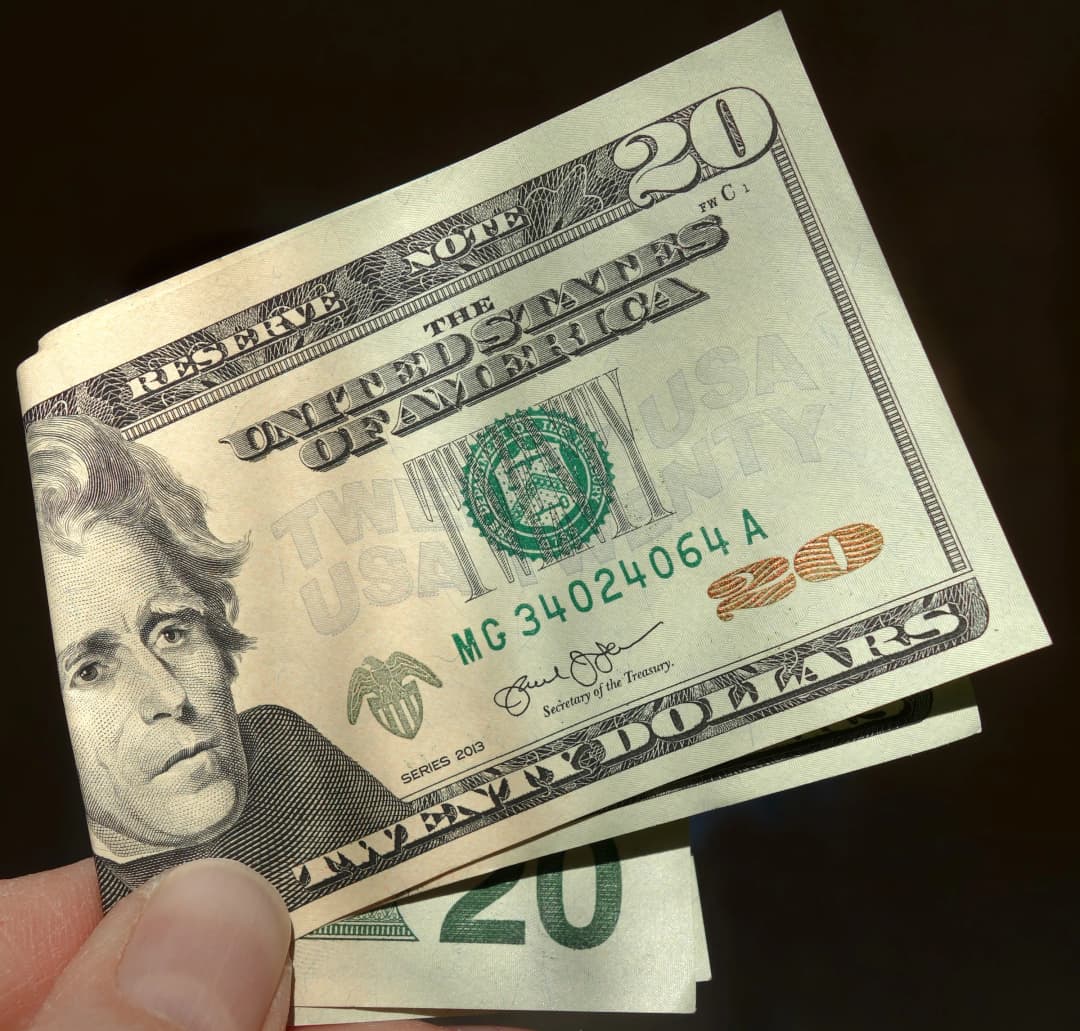
US Dollars, cash and cards
The United States uses the US Dollar (USD).

Cards are widely accepted
Credit and debit cards are accepted almost everywhere, including small shops, taxis and vending machines; contactless payment is common in cities.

ATMs are everywhere
ATMs are easy to find at banks, airports and malls, but both the US bank and the traveller's home bank may charge a withdrawal fee.

Carry some small cash
A little cash in small bills is useful for tips, street vendors, and places that do not accept cards.
Weather by month (Washington, D.C.)
- Daytime high
- Grey row = night low
- Best time to go
- Daytime high
- Grey row = night low
- Best time to go
| Month | High, °C | Low, °C | Rain, mm |
|---|---|---|---|
| January | 4.1 | -3.9 | 67 |
| February | 5.8 | -3.2 | 70.3 |
| March | 11 | 0.6 | 83.7 |
| April · best | 17.8 | 6.6 | 92.1 |
| May · best | 22.8 | 12.5 | 109.4 |
| June | 27.8 | 17.9 | 118.2 |
| July | 30.8 | 20.8 | 116.3 |
| August | 30.1 | 20.1 | 109.4 |
| September · best | 26.5 | 16.1 | 107.1 |
| October · best | 19.5 | 9.3 | 104.8 |
| November | 12.7 | 3 | 80.1 |
| December | 6.8 | -1.3 | 94.9 |
Monthly averages. Source: NASA POWER climatology, 2001-2020.
April · ideal
The best window runs April, May, September and October.
High 17.8°CLow 6.6°CRain 92.1 mm
Sweet spot: Washington, D.C. has hot, humid summers and cold winters with occasional snow. Spring (April-May) and fall (September-October) bring mild temperatures and are the most comfortable times to visit.
Tipping in the United States
$20
Restaurant bill (table service)
Often expected; check if a service charge is already added
15–20%
on a $20 bill: $3
Bartender
Per drink
$1–$2
Taxi or rideshare
10–15%
on a $20 bill: $2
Hotel housekeeping
Per night, left in cash
$2–$5
Hotel porter
Per bag
$1–$2
Counter service / takeaway
Not expected, though a tip jar may be present
No tip expected
SIM, eSIM or roaming?
eSIM
RecommendedTravel eSIM
≈ $25
Installed before departure via an eSIM app or provider website Quick to activate and avoids swapping a physical SIM
Local SIM
Local prepaid SIM
≈ $30
Carrier stores or airport kiosks for AT&T, T-Mobile or Verizon Needs an unlocked phone and photo ID to activate
Roaming
Roaming on a home plan
Activated with the traveller's home mobile operator before departure Simplest option but often the most expensive per day
If it's your first time: three you shouldn't skip
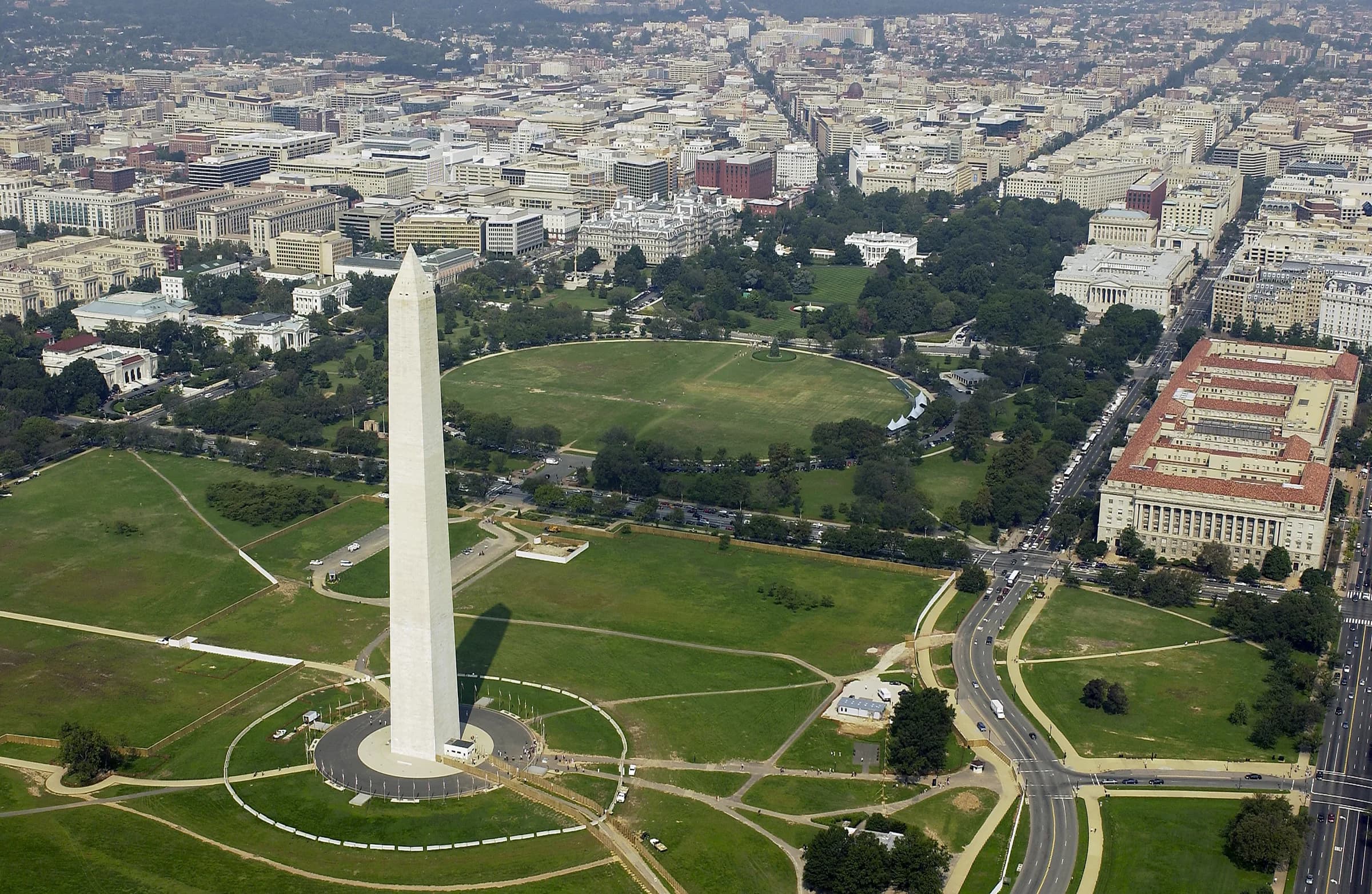
Washington, D.C.
National Mall and monuments
The capital's memorials, the Capitol and the free Smithsonian museums are all within walking distance of each other.
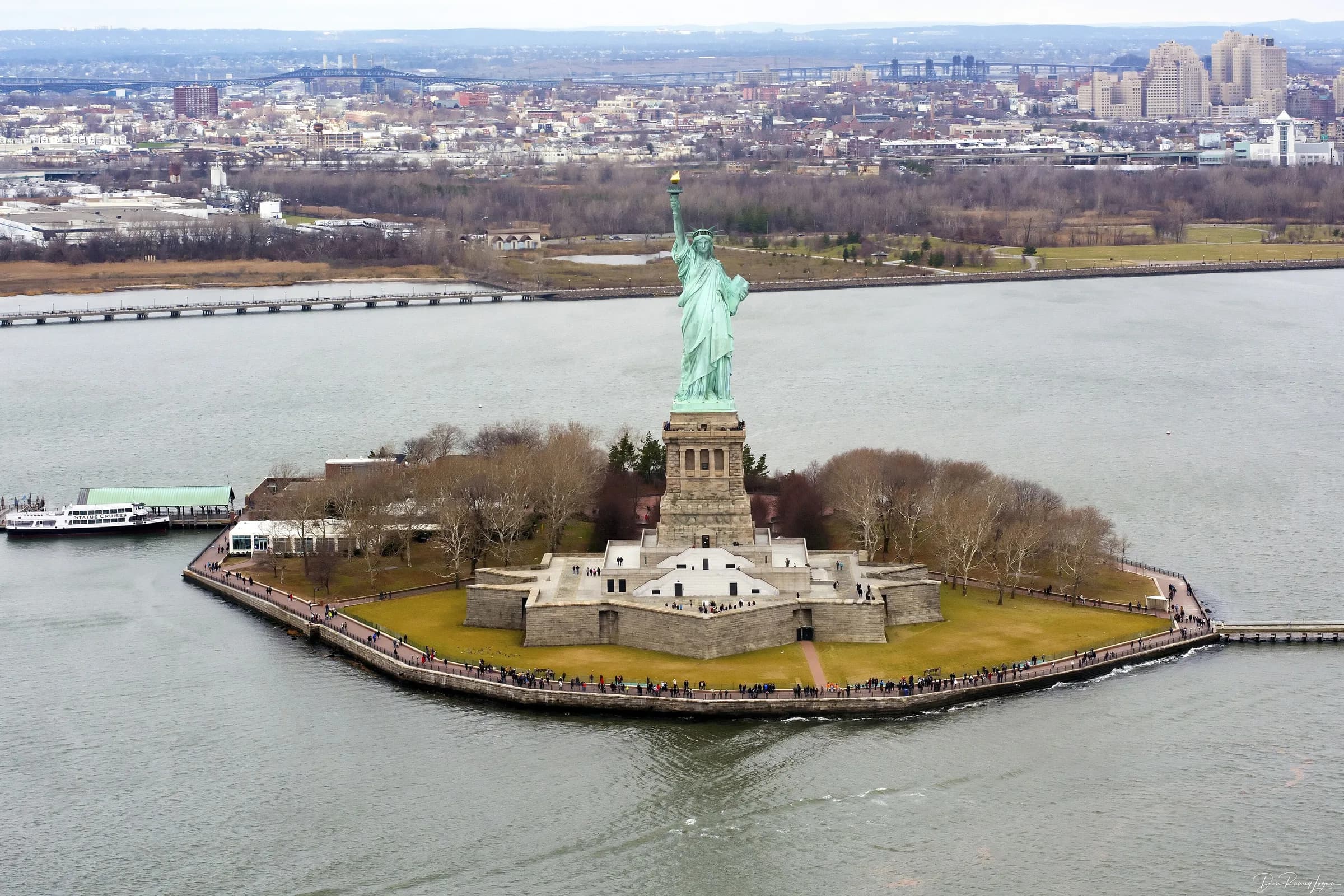
New York City
Statue of Liberty and Times Square
A harbour cruise to the Statue of Liberty and a walk through Times Square and Central Park cover the city's icons.

Arizona
Grand Canyon National Park
One of the world's most dramatic natural landscapes, with viewpoints reachable on an easy day trip from the South Rim entrance.
Questions everyone asks about United States visas
It depends on your passport. Nationals of 42 Visa Waiver Program countries can travel on ESTA instead of a visa. A small number of nationalities, including Canada, can enter without a visa or ESTA. Everyone else needs a visa before travelling.
ESTA is the Electronic System for Travel Authorization, an online screening used by Visa Waiver Program travellers in place of a visa. It must be approved before boarding and allows stays of up to 90 days.
No. Both only authorise travel to a US port of entry. A Customs and Border Protection officer makes the final decision on admission when you arrive.
A Visa Waiver Program stay cannot be extended. A B-2 visitor-visa stay can usually be extended once, before it expires, by applying to USCIS.
Form I-94 is the official arrival and departure record. For most air and sea arrivals it is created electronically by Customs and Border Protection; travellers do not fill in a paper form in advance.
No. ESTA is an online travel authorisation for Visa Waiver Program nationals only. A visa is a separate document issued by a US embassy or consulate for everyone else, or for Visa Waiver nationals who do not qualify for ESTA.
Apply for ESTA at least 72 hours before departure. If you need a visa, apply as early as possible, since embassy interview appointment wait times vary by location and season.
Now read the one written for your passport
Each guide has the fee for that passport, its maximum stay, the rules that apply only to it, and the application itself.
Chile
Government fee from $25
Sweden
Government fee from $25
United Kingdom
Government fee from $25
Taiwan
Government fee from $25
Switzerland
Government fee from $25
Spain
Government fee from $25
South Korea
Government fee from $25
Singapore
Government fee from $25
Portugal
Government fee from $25
Poland
Government fee from $25
Norway
Government fee from $25
New Zealand
Government fee from $25
Netherlands
Government fee from $25
Japan
Government fee from $25
Italy
Government fee from $25
Israel
Route, fee and documents for this passport
Ireland
Government fee from $25
Greece
Government fee from $25
Germany
Government fee from $25
Finland
Government fee from $25
Denmark
Government fee from $25
Czechia
Government fee from $25
Belgium
Government fee from $25
Austria
Government fee from $25
Australia
Government fee from $25
Every other passport →
Pick your passport for your route, your fee and your documents.