

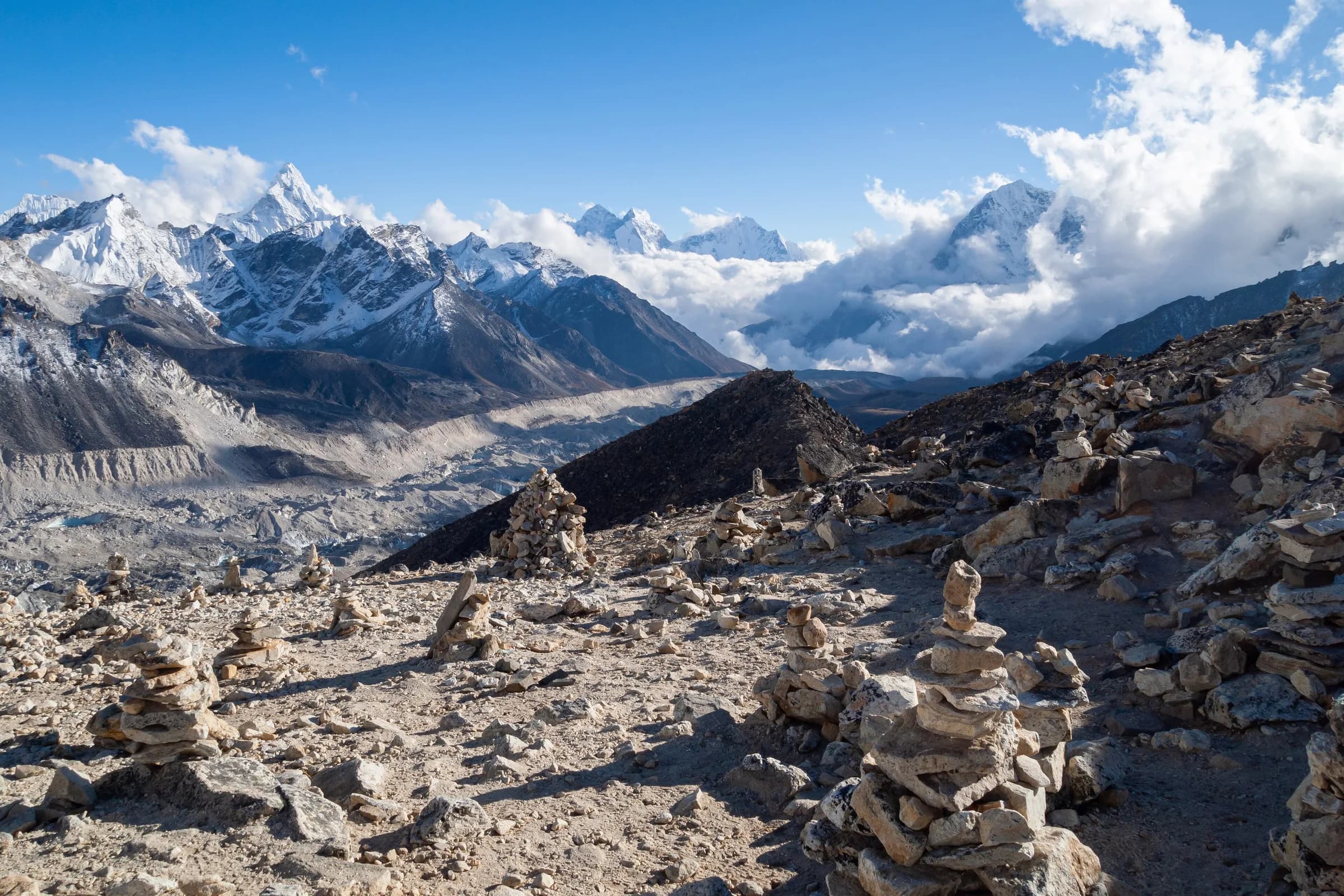

Nepal Visa for US Citizens: On Arrival and How to Apply
- Visa on arrival
- Apply about 0 days before arrival
- Verified
Plusvisa is a private visa application service, not a government agency or embassy. Official government source: Department of Immigration, Nepal - Online Services, nepaliport-new.immigration.gov.np.
Table of contents

Passport
Valid 6 months from arrival
Needs at least one blank page

Where to get it
On arrival or in advance
Airports and open land borders issue it on arrival

Maximum stay
150 days a calendar year
Across one or more visits
Two routes into Nepal
Most people
Visa on arrival
Get the tourist visa at Tribhuvan (Kathmandu), Pokhara or Lumbini airport, or at an open land border that issues visas. You can fill the form online before you fly. Long queues are common in peak season.
Prefer a shorter queue
Visa from a Nepali mission
You can get the tourist visa from a Nepali diplomatic mission before you travel. You must enter Nepal within 6 months of the issue date. Your stay is counted from the day you enter.
How long you may stay
A US citizen's tourist visa allows a stay of up to 150 days in total within one calendar year, across one or more visits. The stay counts from the day you enter Nepal if you got the visa from a Nepali mission abroad.

Total limit per year: The 150 days apply across all visits in one calendar year. Time spent on earlier trips counts toward the limit.

Visa from a mission abroad: If you get the visa from a Nepali mission before you travel, you must enter Nepal within 6 months of the issue date. Your stay then starts from the day you enter.

Visa on arrival: A visa on arrival is a tourist visa with multiple entry. Its stay still falls under the 150-day yearly limit.

Extending: You can extend at the Department of Immigration in Kathmandu or Pokhara before the visa runs out. The minimum extension is 15 days. Extension fees are paid in US dollars, not Nepali rupees.

Overstaying: Overstaying without an approved extension brings a fine for each day at the Department of Immigration. A higher late fine applies if you apply after the visa has expired.
Your document checklist
Five things to have ready before you start your application, as a US applicant.

Valid US passport
Valid at least 6 months from your arrival date in Nepal, with at least one blank page for the visa. A temporary passport is not accepted for a visa on arrival.
Passport-size photo
Recent photo with a light background. Carry a spare, since the official rules do not state a size for US applicants.

Visa application form
Fill it in online before you fly through the Department of Immigration portal and keep the confirmation, or complete the paper form at the airport or border.

Visa fee in US dollars
Pay in US dollars, in cash, or by international card where accepted. Have the exact amount ready. The fee is set by the government and is shown in the visa catalog.
Only for some visa types

Child's passport and photo
Only if Travelling with children under 10. Children under 10 usually get a free visa, but this exemption does not cover US citizens. Each US child needs their own passport, photo and fee.
When should you apply?
Enter your arrival date and we'll work backwards.
Processing
Pick your arrival date
- 1
Apply online
—
Form and uploads, about 30 min
- 2
Pay the fee
—
By card, on the portal
- 3
Processing
See the portal
Official estimate
- 4
Approval emailed
—
Keep a copy on your phone
- 5
Arrive in Nepal
—
Show the approval at the border
Most US travellers get the visa on arrival. No advance window is published. Apply in advance only to skip the queue.
Four questions, 20 seconds
Is your passport valid for at least 6 months from the day you arrive in Nepal?
Does your passport have at least one blank page?
Are you entering Nepal at an airport or open land border that issues visas?
Is your trip a tourist trip of 150 days or less in a calendar year?
Result
Answer all four
Four quick checks of the rules that most often catch travellers out, and we'll tell you where you stand.
The application, step by step
Before you apply
- 1
Check your passport
Make sure your US passport is valid at least 6 months from your arrival date and has at least one blank page.
- 2
Check how you will enter
US citizens can get the tourist visa on arrival at the main airports and at open land borders that issue visas. You can also get it from a Nepali mission before you travel.
- 3
Prepare your documents
Have your passport, a passport-size photo with a light background, and US dollars or an international card for the fee.
- 4
Fill the online form (optional)
You can complete the visa application online before you fly through the Department of Immigration portal. Save or print the confirmation.
On the official portal
- 5
Submit your details
Enter your passport and travel details online, or fill in the paper form at the airport or border counter if you did not apply in advance.
- 6
Pay the visa fee
Pay at the bank or payment counter before the immigration desk. Fees are in US dollars.
After you apply
- 7
Collect the visa at immigration
Show your passport, photo and payment receipt at the immigration desk so the visa can be issued.
- 8
Keep your visa details
Keep your passport and visa details safe. You will need them if you later extend your stay at the Department of Immigration.
Official website: nepaliport-new.immigration.gov.np (opens in a new tab)
Questions US travellers actually ask
Yes. US citizens need a Nepal tourist visa. You can get it on arrival at Tribhuvan (Kathmandu), Pokhara or Lumbini airport, or at an entry point that issues visas. You can also get it from a Nepali diplomatic mission before you travel.
Yes. US citizens are not on the list of nationalities that must arrange a visa in advance at a Nepali mission. Nepal's tourism board lists the countries that must apply in advance.
Yes. Visa fees are paid in US dollars or another convertible foreign currency. You can pay in cash or by international credit card where it is accepted.
Yes. Children under 10 usually get a free visa, but this exemption does not cover US citizens. Each US child needs their own passport, photo and visa.
A tourist visa allows a total stay of up to 150 days within one calendar year. The total counts across all your visits in that year.
Yes. You can fill in the visa application form online through the Department of Immigration's portal before you travel. Save or print the confirmation and show it at the border. You still pay the fee and collect the visa on arrival.
Apply to extend at the Department of Immigration in Kathmandu or Pokhara before your visa runs out. An extension is for a minimum of 15 days. Extension fees are paid in US dollars, not Nepali rupees. If you apply after the visa has expired, a higher daily late fine applies.
Yes. Your passport must be valid for at least 6 months from the date you arrive in Nepal. It also needs at least one blank page. A temporary passport is not accepted for a visa on arrival.
You still enter on a tourist visa. Then you must change the visa category at the Department of Immigration in Kathmandu or Pokhara, with the documents needed for your purpose and length of stay.
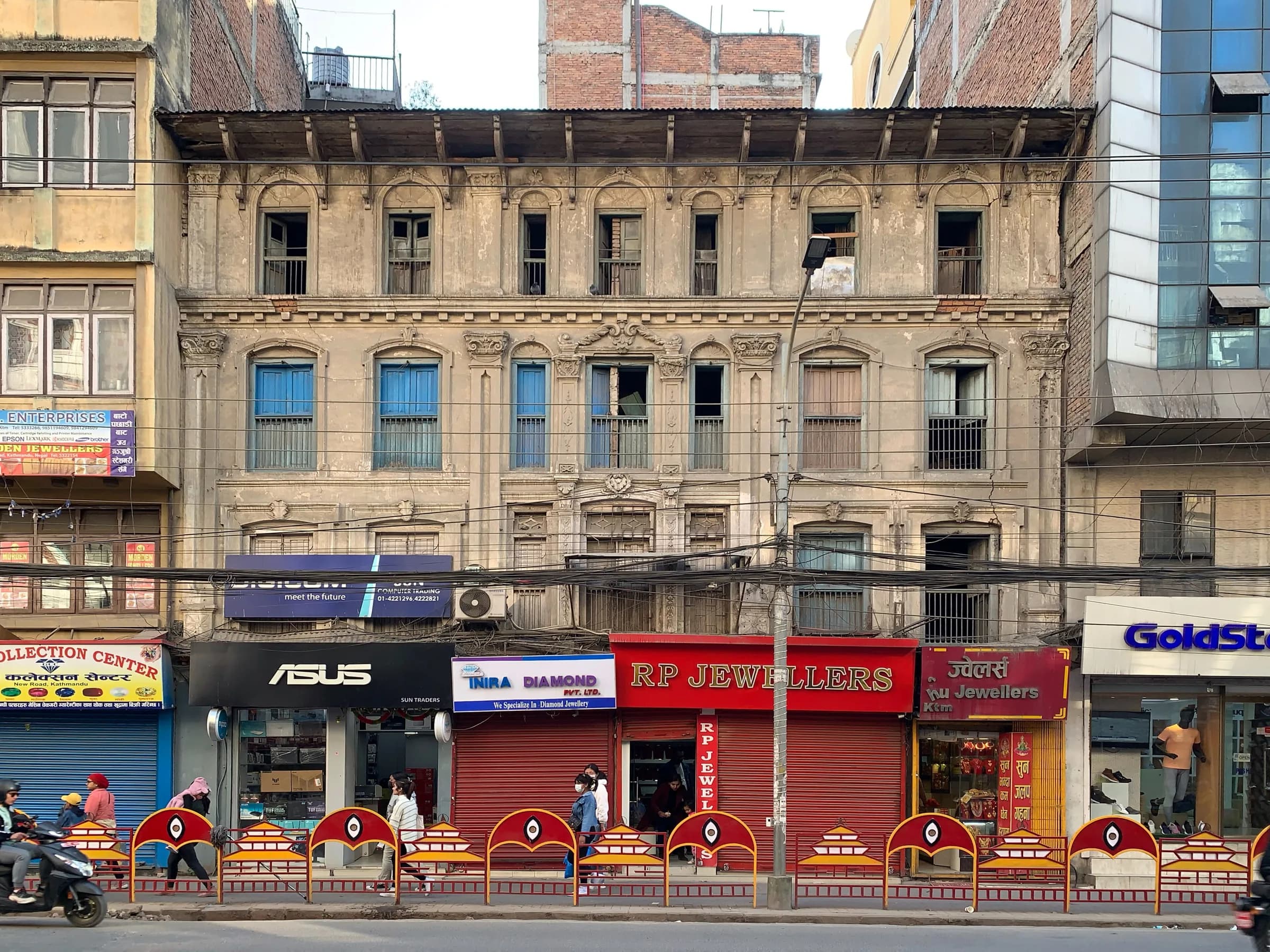
Visa sorted
The things that make the first
48 hours easy, compared with home
Your US plug won't fit. Here's what will.
Type C
Two round pins · 2.5 A

Type D
Three round pins · 5 A

Type M
Three large pins · 15 A
Type C
Nepal uses type C, D and M sockets and your plugs are type A and B. An A-to-C adapter works for the whole trip.
Voltage
230 V · 50 Hz
Against 120 V · 60 Hz at home. Check the label on chargers and appliances: anything marked 100–240 V, 50/60 Hz works in both.

Pack: one type C adapter and a small power strip — hotel rooms rarely have more than two sockets.
Nepal drives on the left — the opposite of home
Compare traffic side:
Nepal · left-hand traffic — the opposite of United States

Getting around
Taxis, ride-hailing apps and tourist buses cover Kathmandu and Pokhara; book domestic flights early for mountain airstrips, which are weather-sensitive and often delayed in cloud or fog.

Altitude and health
Outside the valleys, altitude sickness is a real risk on treks above 2,500 metres. Ascend gradually, drink plenty of water and know the warning signs before heading into the mountains.

Temple etiquette
Dress modestly at temples and stupas, remove leather items such as shoes or belts where asked, and always walk clockwise around Buddhist stupas and mani walls.
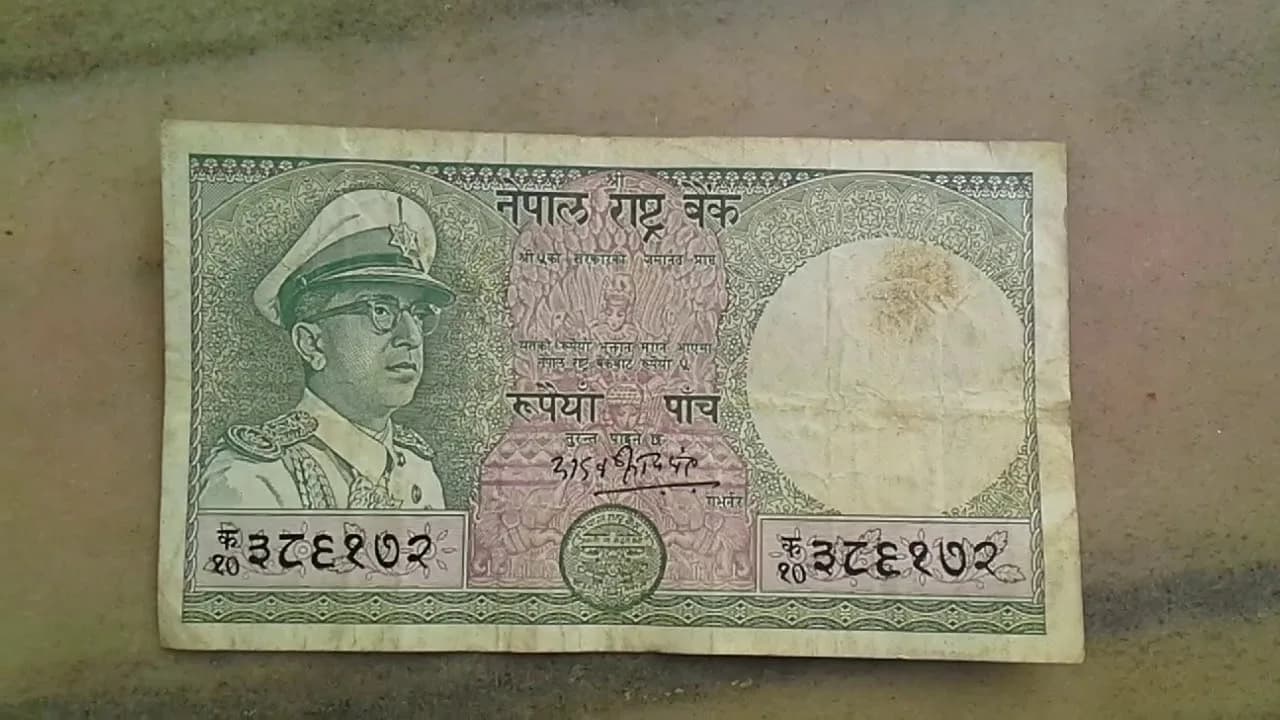
Nepalese Rupees, cash and cards
Nepal uses the Nepalese Rupee (NPR).

Carry cash outside cities
ATMs and cards are common in Kathmandu and Pokhara, but many guesthouses, trekking lodges and rural shops take only cash.

Keep clean, undamaged notes
Torn, old or heavily worn foreign banknotes are often refused, so bring newer notes for any payments made in US dollars or other foreign currency.

Withdraw rupees as you go
ATMs in main towns dispense Nepali rupees and usually charge a withdrawal fee; carrying some cash down from remote areas before it runs low avoids being stuck without funds.
Weather by month (Kathmandu)
- Daytime high
- Grey row = night low
- Best time to go
- Daytime high
- Grey row = night low
- Best time to go
| Month | High, °C | Low, °C | Rain, mm |
|---|---|---|---|
| January | 16.4 | 5.7 | 9.9 |
| February | 19.6 | 8 | 16.7 |
| March · best | 24.3 | 11.9 | 20.8 |
| April · best | 28.7 | 16 | 36.6 |
| May · best | 29.9 | 18.6 | 89 |
| June | 29.1 | 20.4 | 170.4 |
| July | 26.4 | 20.2 | 280.2 |
| August | 25.7 | 19.9 | 238.4 |
| September | 24.5 | 18.7 | 168.6 |
| October · best | 22.8 | 15.2 | 45.3 |
| November · best | 19.8 | 11.2 | 3.3 |
| December | 17.1 | 7.5 | 4.7 |
Monthly averages. Source: NASA POWER climatology, 2001-2020.
March · ideal
The best window runs March, April, May, October and November.
High 24.3°CLow 11.9°CRain 20.8 mm
Sweet spot: Kathmandu is clearest from October to November, after the monsoon, and pleasant again from March to May. June to September brings heavy monsoon rain and poor mountain views; December to February is cool, dry and sometimes foggy.
One time zone
Washington, D.C.
--:--:--
Kathmandu
--:--:--
How much to tip, in USD
Rs 2,000
Restaurant bill
Only if a service charge is not already included
5–10%
on a Rs 2,000 bill: Rs 100
Trekking guide, per day
Rs 1,200–Rs 1,500
Porter, per day
Rs 800–Rs 1,000
Hotel housekeeping, per night
Rs 100–Rs 200
Taxi driver
Rounding up the fare is common but not expected
No tip expected
SIM, eSIM or roaming?
Local SIM
RecommendedLocal SIM card
Ncell or Nepal Telecom counters at Tribhuvan International Airport or in town, with passport and a photo Usually the cheapest way to get data for a longer stay, including in trekking regions.
eSIM
Travel eSIM
Installed online before arrival through an eSIM provider's app or website Convenient for short trips since it needs no shop visit, but coverage in remote mountain areas can be limited.
Roaming
Roaming from home
Activated through your home network before you fly Usually the most expensive option; check your operator's Nepal rates in advance.