eVisa
Tourist
Entry
Validity
- Processing
- 30–60 calendar days
- Total cost
- US$300



South Korea
Australia

Yes.
South Korean citizens need a visa for Australia, but most can apply online for an ETA before they fly.
eVisa
Entry
Validity
eVisa
Entry
Validity
 Pre-checked
Reviewed
Expert check before submission


30–60 days
Processing time


 +21k
21K+
Applications processed
 Available now
24/7
Expert human assistance
Plusvisa is a private visa application service, not a government agency or embassy. Official government source: ImmiAccount, online.immi.gov.au.

Usual route
ETA (apply online)
Mainly through the free ETA app

Typical stay
Up to 3 months per visit
Per visit, not a total

Work allowed
No
ETA and visitor visas do not allow work
Most travellers
South Korea is listed on the destination guide as an ETA-eligible passport. Apply online through the ETA app before you travel. Confirm your eligibility on the official Home Affairs site.
If the ETA does not fit
Use this route if you do not qualify for the ETA or need a longer or different stay. Apply through ImmiAccount before you travel.
| e-Visa | Validity | Processing | Government fee | All-in with Plusvisa* |
|---|---|---|---|---|
Business trip eVisa | Stay up to 90 days Multiple entry | 30–60 calendar days | US$155 | — |
Business trip eVisa | Stay up to 90 days Single entry | 30–60 calendar days | US$155 | — |
Business trip eVisa | Stay up to 2 years Multiple entry | 34–90 calendar days | US$65 | — |
Business trip eVisa | Stay up to 2 years Single entry | 34–90 calendar days | US$65 | — |
Business trip eVisa | Stay up to 90 days Multiple entry | 35–47 calendar days | US$65 | — |
Business trip eVisa | Stay up to 90 days Single entry | 35–47 calendar days | US$65 | — |
Tourist eVisa | Stay up to 90 days Multiple entry | 30–60 calendar days | US$115 | US$315 |
Tourist eVisa | Stay up to 90 days Single entry | 30–60 calendar days | US$115 | US$300 |
Tourist eVisa | Stay up to 90 days Multiple entry | 30–60 calendar days | US$115 | US$315 |
Tourist eVisa | Stay up to 90 days Single entry | 30–60 calendar days | US$115 | US$300 |
* The government fee is the government's own charge, never refundable. All-in adds Plusvisa's service fee, per traveller; it is refunded if we cause a refusal.
Most ETA and visitor visa stays allow up to three months per visit. The limit applies per visit, not across the whole validity of the visa.
Business trip: 90 days per visit.
Arrive 1 March
63 of 90 days
1 Mar – 2 May: 63 of the 90 days this visa allows in one visit.

ETA stay: Most ETA grants allow a stay of up to three months per visit, as the destination guide states. Check the exact period shown on your visa.

Visitor visa stay: Most visitor visa (subclass 600) grants also allow up to three months per visit, though some grants allow longer.

No work: The ETA and visitor visa do not allow paid or unpaid work in Australia.

Extensions: You may sometimes apply for a new visitor visa before the current one expires. Approval is not guaranteed.

Overstaying: The official portal does not publish one penalty for every overstay. An overstay can affect your right to stay and future applications.
Five things to have ready before you start your application, as a South-Korean applicant.

A clear colour scan or photo of the personal details page. The passport must stay valid for the length of your visit.

Bank statements or similar showing you can support yourself during the visit.

Flight bookings, accommodation details or a letter describing the purpose and dates of the trip.

Complete this in English before you clear the border. It covers health, customs and quarantine details.
Only for some visa types

Recent passport-style photo
Processing takes 30–60 days. Enter your arrival date and we'll work backwards.
Processing
Pick your arrival date
Apply online
—
Form and uploads, about 30 min
Pay the fee
—
By card, on the portal
Processing
30–60 days
Official estimate
Approval emailed
—
Keep a copy on your phone
Arrive in Australia
—
Show the approval at the border
Official advice is to lodge at least 4 weeks before travel. The ETA app is the only channel. Outcomes usually arrive by email within 72 hours. Extra information requests can add time.
Do you hold a South Korean passport that is machine-readable and valid for your whole stay?
Is your trip a short tourist or business visit of up to three months?
Are you planning to work, study or live in Australia?
Result
Answer all three
Three quick checks of the rules that most often catch travellers out, and we'll tell you where you stand.
Before you apply
Check the visa type
Use the Visa Finder on the Home Affairs website to confirm the right visa for your trip.
Gather your documents
Prepare your passport, travel plans, proof of funds and any other evidence the visa needs.
On the official portal
Apply for the ETA
Apply through the free Australian ETA app on your phone.
Fill in the form and submit
Complete the online form, upload the documents and pay the fee shown in the app before you submit.
Use ImmiAccount for other visas
If you need a visitor visa (subclass 600) instead, register a free ImmiAccount and lodge there.
After you apply
Check your visa
Confirm your visa conditions and validity through VEVO before you travel.
Complete the Incoming Passenger Card
Fill in the Incoming Passenger Card in English before you clear the border.
Official website: online.immi.gov.au (opens in a new tab)
Yes. You need a visa to enter Australia. Most South Korean citizens apply for an ETA online before they fly.
Most ETA grants allow up to three months per visit. Check the period shown on your visa.
No. The ETA does not allow paid or unpaid work in Australia.
Yes. Every traveller, including children, needs their own visa.
You can apply for a visitor visa (subclass 600) through ImmiAccount before you travel.
Use VEVO on the Home Affairs website to confirm the visa conditions and validity before you fly.
Visa sorted
The things that make the first
48 hours easy, compared with home
Type I
Three flat pins · 10 A
Type I
Australia uses type I sockets and your plugs are type C and F. A C-to-I adapter works for the whole trip.
Voltage
230 V · 50 Hz
Against 220 V · 60 Hz at home. Check the label on chargers and appliances: anything marked 100–240 V, 50/60 Hz works in both.

Pack: one type I adapter and a small power strip — hotel rooms rarely have more than two sockets.
Compare traffic side:
Australia · left-hand traffic — the opposite of South Korea

Getting around
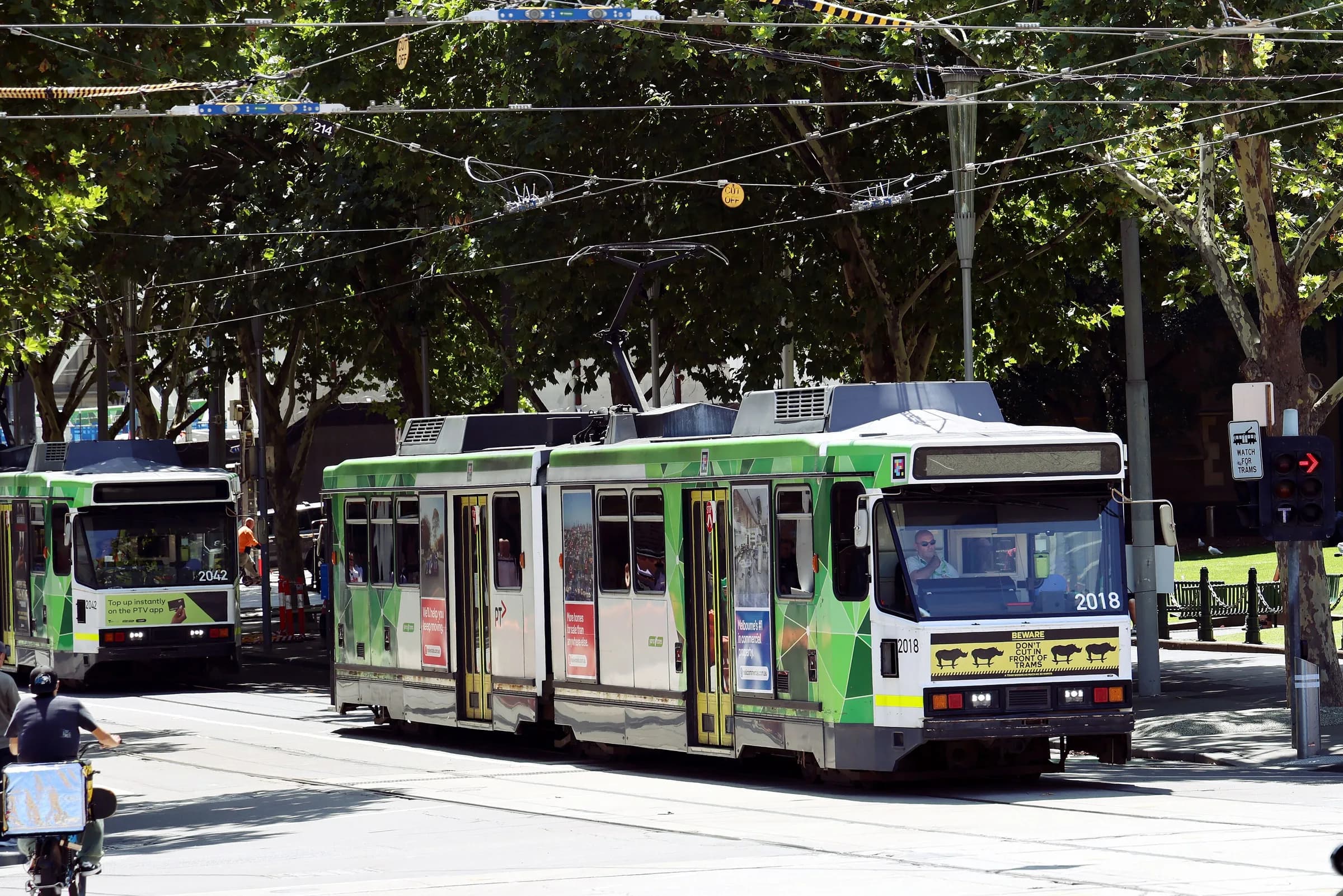
Australia is vast: distances between cities are huge, so many visitors fly between regions. Cities have trains, trams and buses, and cars drive on the left.

Sun and health
No vaccination is required for entry from most countries. UV levels are very high, even on mild days, so sun protection matters more than in many other destinations.

Biosecurity rules
Australia has strict biosecurity laws protecting its farming and environment. Declare all food, plant, wood and animal products on arrival to avoid fines.
Australia uses the Australian Dollar (AUD).

Cards are the norm
Most shops, cafes and taxis accept contactless card payment, and many small businesses use cards even for low amounts.

ATMs are widely available
ATMs are easy to find in cities and towns, though some independent machines charge a withdrawal fee for foreign cards.

Tell your bank before you go
Let your bank know you are travelling, so a card is not blocked for unusual overseas activity.
| Month | High, °C | Low, °C | Rain, mm |
|---|---|---|---|
| January | 28.5 | 13.1 | 58.3 |
| February | 25.7 | 12.4 | 92.4 |
| March · best | 22.7 | 10.3 | 67.6 |
| April · best | 18.5 | 7.3 | 41.1 |
| May · best | 14 | 3.5 | 31.3 |
| June | 10.5 | 2 | 65.1 |
| July | 9.7 | 0.6 | 45.6 |
| August | 11.2 | 0.8 | 53.3 |
| September · best | 15.1 | 3.3 | 47.4 |
| October · best | 19.1 | 6 | 58.6 |
| November · best | 22.9 | 9.1 | 74.7 |
| December | 25.4 | 11 | 70.7 |
Monthly averages. Source: NASA POWER climatology, 2001-2020.
March · ideal
The best window runs March, April, May, September, October and November.
High 22.7°CLow 10.3°CRain 67.6 mm
Sweet spot: Canberra has four distinct seasons. Summer (December to February) is hot and dry, winter (June to August) is cold with frosty mornings, and spring and autumn are mild, making them the most comfortable times to visit.
Seoul
--:--:--
Canberra
--:--:--
Australia has 5 time zones; the clock shows Canberra.
A$2,000
Restaurant bill
Not expected; rounding up or a small tip for great service is welcome
0–10%
on a A$2,000 bill: A$0
Cafes and bars
Tipping is uncommon
No tip expected
Taxis and rideshare
Rounding up the fare is optional, not expected
No tip expected
Hotel porters
Optional, per bag, for good service
A$2–A$5
Tour guides
Optional, mainly for private or small-group tours
5–10%
on a A$2,000 bill: A$100
Local SIM
RecommendedTelstra, Optus or Vodafone shops and supermarkets, including airport stores Telstra generally has the widest coverage outside the big cities
eSIM
Installed online before you fly, from an eSIM provider Convenient for landing with data already active, if your phone supports eSIM
Roaming
Activated through your home network before departure Usually the most expensive option for a multi-week visit
Get your Australia e-Visa in about 60 days, without the portal headaches
Upload a phone photo and your passport, we check them against every rule above, submit, and send your approval to your inbox. From US$300 all-in.