



Australia Visa for Chinese Citizens: Visitor Visa 600 Guide
- Visa required
- Apply about 60 days before arrival
- Verified
Plusvisa is a private visa application service, not a government agency or embassy. Official government source: ImmiAccount, online.immi.gov.au.
Table of contents

Usual route
Visitor visa 600
Apply online through ImmiAccount before you travel

Stay per visit
Up to 3 months
Most grants. Some grants can be longer. Check your grant.

Work allowed
No
No paid or unpaid work on a visitor visa
Two routes into Australia
Most people
Visitor visa (subclass 600)
For tourism, visiting family and friends, or business visits. Apply online in ImmiAccount. Each person needs their own application. The visa is linked electronically to your passport.
Working holiday
Work and Holiday visa (subclass 462)
Only for eligible Chinese passport holders. Australia's arrangement with China allows up to 5,000 young Chinese people with tertiary education and English skills. Not a tourist visa.
How long you may stay
Chinese passport holders cannot use the ETA or eVisitor. Your route is the Visitor visa (subclass 600). Most grants allow a stay of up to three months per visit, but the length is set on your grant.

Per visit, not total: The three-month limit applies to each visit. It is not a total across the whole time your visa is valid. Check the stay length on your grant.

No work: A visitor visa does not allow paid or unpaid work in Australia. Study, work and long stays need a different visa.

Extensions are not guaranteed: You may be able to lodge a new visitor visa application before your current one expires. Approval is not guaranteed, so do not plan on an extension.

Frequent Traveller stream: The Australian Embassy in China says biometric collection is currently unavailable in mainland China. If you cannot give biometrics outside the PRC, you cannot apply for the Frequent Traveller stream for now.

Overstays: No single overstay penalty applies to every case. An overstay can affect your right to stay in Australia and future visa applications.
Your document checklist
Seven things to have ready before you start your application, as a Chinese applicant.

Passport biodata page
A clear colour scan or photo of the personal details page. The passport must stay valid for the length of your visit.

Evidence of enough money
Bank statements or similar showing you can support yourself, and any dependants, during the visit.

Travel and accommodation details
Flight bookings, accommodation details or a letter describing the purpose and dates of the trip.
Only for some visa types

Recent passport-style photo
Only if Some Visitor visa 600 applications. Plain background, taken in the last 6 months, no glasses or head covering unless worn for religious reasons.Parental or guardian consent
Only if Applicants under 18. Evidence that your parents or legal guardians agree to your travel on a visitor visa.Health examination
Only if Some applicants, based on country and length of stay. A medical exam with a panel doctor, arranged after you lodge if the Department asks for one.Police certificate
Only if If Home Affairs asks for one. An official police check from any country lived in for 12 months or more in the last 10 years.
When should you apply?
Enter your arrival date and we'll work backwards.
Processing
Pick your arrival date
- 1
Apply online
—
Form and uploads, about 30 min
- 2
Pay the fee
—
By card, on the portal
- 3
Processing
See the portal
Official estimate
- 4
Approval emailed
—
Keep a copy on your phone
- 5
Arrive in Australia
—
Show the approval at the border
No fixed window found in the official pages read. 60 days is our planning margin for processing and any requested health exam or police check. Check processing times on Home Affairs.
Four questions, 20 seconds
Are you travelling for tourism, or to visit family or friends, for up to three months?
Will you work, study, or stay longer than three months?
Are you 18 or older?
Do you plan to apply for the Frequent Traveller stream?
Result
Answer all four
Four quick checks of the rules that most often catch travellers out, and we'll tell you where you stand.
The application, step by step
Before you apply
- 1
Check the right visa
Use the Visa Finder on the Home Affairs website. Confirm the Visitor visa (subclass 600) and the stream that matches your trip.
- 2
Gather your documents
Prepare your passport, photo if asked, proof of funds, travel plans and, if under 18, parental consent.
On the official portal
- 3
Create an ImmiAccount
Register on ImmiAccount, the official portal for Visitor visa applications. You cannot use the ETA app or eVisitor as a Chinese passport holder.
- 4
Lodge the Visitor visa 600 application
Choose the Visitor visa (subclass 600) and the stream that fits your purpose. Upload your documents and pay the fee shown in ImmiAccount. If you travel with others, you can use the group processing option.

Every traveller needs their own application.
After you apply
- 5
Complete any health exam or check
Home Affairs may ask for a health exam, a police certificate or biometrics. Follow the instructions it sends you.
- 6
Check your visa before you fly
Your visa is linked to your passport electronically. Check its conditions and dates in VEVO before you travel.
Official website: online.immi.gov.au (opens in a new tab)
Questions Chinese travellers actually ask
No. The Australian Embassy in China says PRC passport holders are not eligible to apply for an ETA.
No. The Australian Embassy in China says PRC passport holders are not eligible for the eVisitor (subclass 651).
The Visitor visa (subclass 600). Apply online in ImmiAccount. Choose the stream that matches your trip, such as the Tourist stream.
No. Every person must make their own application. You can lodge them together by choosing the group processing option in ImmiAccount.
Each child needs their own application. You must also give evidence that the parents or legal guardians agree to the child's travel.
No. A visitor visa does not allow paid or unpaid work in Australia.
You may be able to lodge a new visitor visa application before your current one expires. Approval is not guaranteed, so do not plan on an extension.
Only if you are eligible. Australia's Work and Holiday arrangement with China allows up to 5,000 young Chinese people with tertiary education and English skills. Check the Home Affairs criteria before you apply.
Home Affairs decides if you need biometrics. The Australian Embassy in China says biometric collection is currently unavailable in mainland China for the Frequent Traveller stream.
Visa sorted
The things that make the first
48 hours easy, compared with home
Your Chinese plug fits. Here's what to expect.
Type I
Three flat pins · 10 A
Type I
Type I is used both at home and in Australia, so your own plugs fit.
Voltage
230 V · 50 Hz
Against 220 V · 50 Hz at home. Check the label on chargers and appliances: anything marked 100–240 V, 50/60 Hz works in both.

Pack: nothing special — your type I plugs go straight in. A small power strip is still handy where hotel rooms have one socket.
Australia drives on the left — the opposite of home
Compare traffic side:
Australia · left-hand traffic — the opposite of China

Getting around
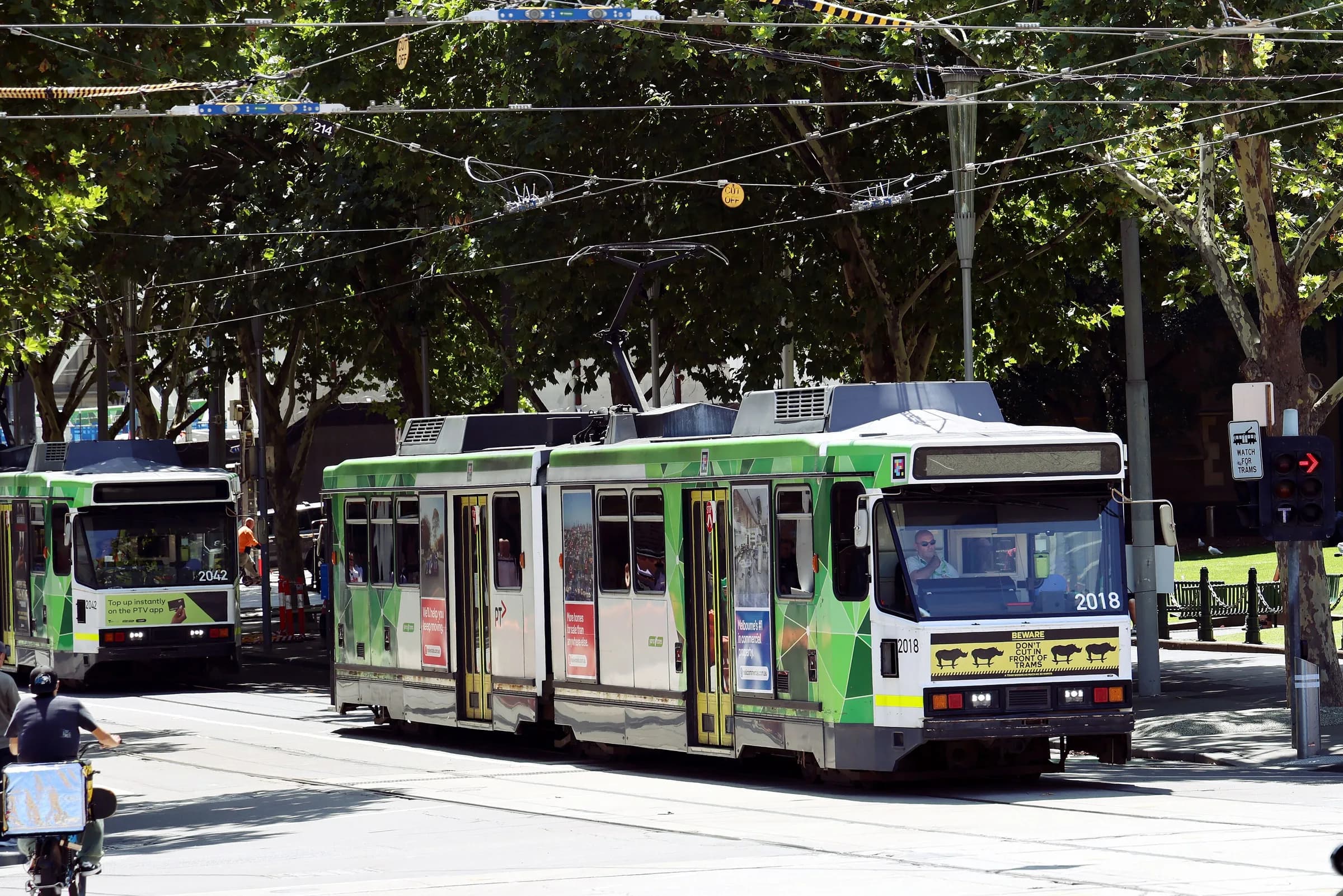
Australia is vast: distances between cities are huge, so many visitors fly between regions. Cities have trains, trams and buses, and cars drive on the left.

Sun and health
No vaccination is required for entry from most countries. UV levels are very high, even on mild days, so sun protection matters more than in many other destinations.

Biosecurity rules
Australia has strict biosecurity laws protecting its farming and environment. Declare all food, plant, wood and animal products on arrival to avoid fines.
Australian Dollars, cash and cards
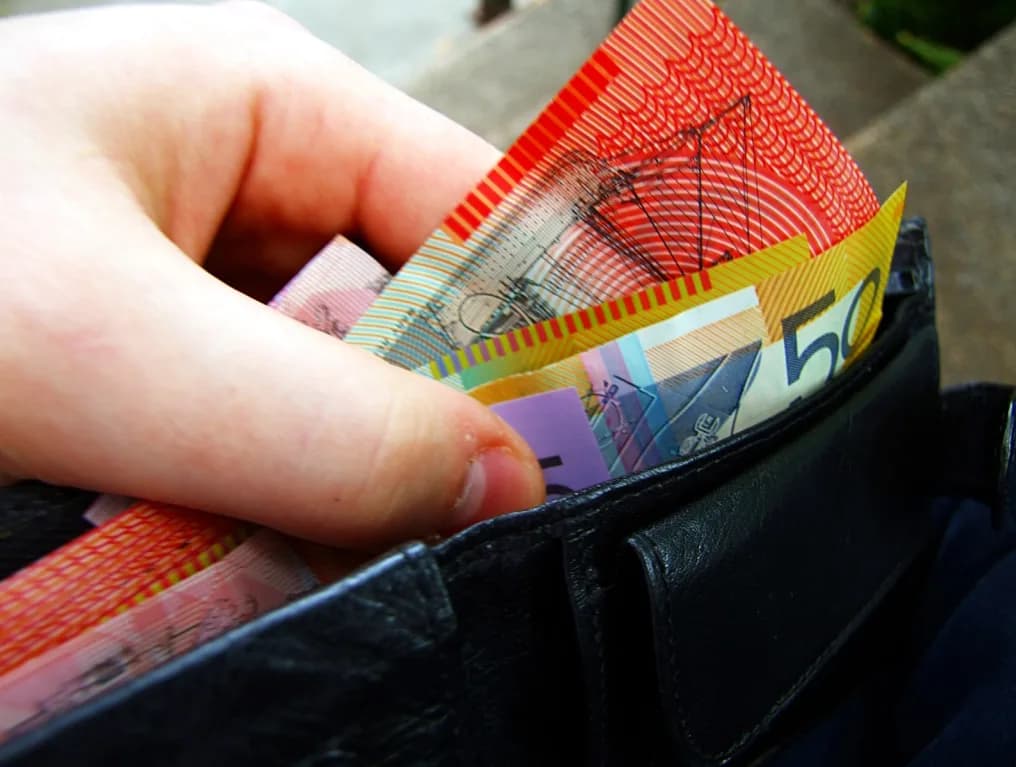
Australia uses the Australian Dollar (AUD).
¥1 ≈ $0.212 · indicative mid-market rate, possibly a few days old

Cards are the norm
Most shops, cafes and taxis accept contactless card payment, and many small businesses use cards even for low amounts.

ATMs are widely available
ATMs are easy to find in cities and towns, though some independent machines charge a withdrawal fee for foreign cards.

Tell your bank before you go
Let your bank know you are travelling, so a card is not blocked for unusual overseas activity.
Weather by month (Canberra)
- Daytime high
- Grey row = night low
- Best time to go
- Daytime high
- Grey row = night low
- Best time to go
| Month | High, °C | Low, °C | Rain, mm |
|---|---|---|---|
| January | 28.5 | 13.1 | 58.3 |
| February | 25.7 | 12.4 | 92.4 |
| March · best | 22.7 | 10.3 | 67.6 |
| April · best | 18.5 | 7.3 | 41.1 |
| May · best | 14 | 3.5 | 31.3 |
| June | 10.5 | 2 | 65.1 |
| July | 9.7 | 0.6 | 45.6 |
| August | 11.2 | 0.8 | 53.3 |
| September · best | 15.1 | 3.3 | 47.4 |
| October · best | 19.1 | 6 | 58.6 |
| November · best | 22.9 | 9.1 | 74.7 |
| December | 25.4 | 11 | 70.7 |
Monthly averages. Source: NASA POWER climatology, 2001-2020.
March · ideal
The best window runs March, April, May, September, October and November.
High 22.7°CLow 10.3°CRain 67.6 mm
Sweet spot: Canberra has four distinct seasons. Summer (December to February) is hot and dry, winter (June to August) is cold with frosty mornings, and spring and autumn are mild, making them the most comfortable times to visit.
5 time zones
Beijing
--:--:--
Canberra
--:--:--
Australia has 5 time zones; the clock shows Canberra.
How much to tip, in CNY
A$3(¥14.14)
Restaurant bill
Not expected; rounding up or a small tip for great service is welcome
0–10%
on a A$3 bill: A$0 · ¥0
Cafes and bars
Tipping is uncommon
No tip expected
Taxis and rideshare
Rounding up the fare is optional, not expected
No tip expected
Hotel porters
Optional, per bag, for good service
A$2–A$5
¥9.43–¥23.57
Tour guides
Optional, mainly for private or small-group tours
5–10%
on a A$3 bill: A$0.15 · ¥0.71
SIM, eSIM or roaming?
Local SIM
RecommendedLocal prepaid SIM
Telstra, Optus or Vodafone shops and supermarkets, including airport stores Telstra generally has the widest coverage outside the big cities
eSIM
Travel eSIM
Installed online before you fly, from an eSIM provider Convenient for landing with data already active, if your phone supports eSIM
Roaming
Roaming from home
Activated through your home network before departure Usually the most expensive option for a multi-week visit