

 Table of contents
What Happens to Your Passport Data When You Apply for a Visa Online?
- Published
- 4 min read
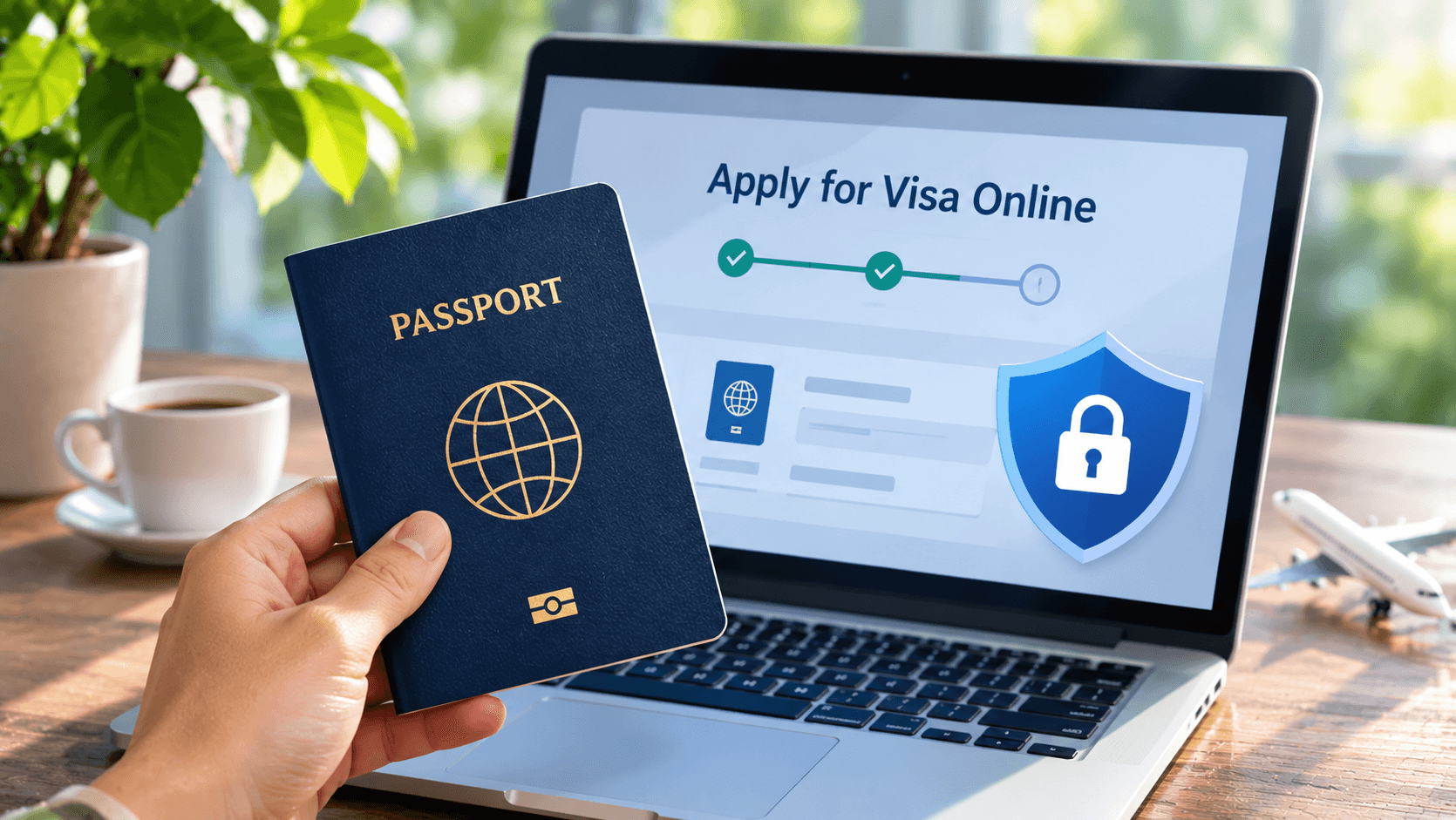
When applying for a visa online, you may need to provide personal details such as your full name, date of birth, passport number and a scanned copy of your passport.
This is a normal part of many visa applications. However, sharing sensitive documents with an unverified website can expose your personal information to privacy and security risks.
So, what happens to your passport data after you upload it? Who can access it, how long can it be stored and how can you protect it?
What Happens to Your Passport Data on Government Visa Portals?
When you apply through an official government visa portal, your information is collected for immigration and application-processing purposes.
It may be used for:
- Verifying your identity
- Processing your visa application
- Checking eligibility
- Sending application updates
- Immigration and border-control procedures
How long your information is stored and who can access it depends on the destination country's laws and the relevant authority's privacy policy.
There is no single global data-retention rule for online visa applications.
Is It Safe to Upload Your Passport Online?
Yes, uploading your passport can be safe when you use a legitimate government portal or a trustworthy visa service.
Before submitting your documents, check:
- Website authenticity: Make sure the domain belongs to the official authority or identified company.
- Company information: Look for clear ownership and contact details.
- Privacy policy: Understand how your personal information is collected, used and stored.
- Data security: Check whether the provider explains its security measures.
- Document requirements: Upload only the information and documents genuinely needed.
Remember that HTTPS does not automatically mean a website is legitimate. It only indicates that the connection is encrypted.
What Are the Risks of Using Fake Visa Websites?
One of the biggest risks is submitting your passport to a fraudulent or misleading visa website.
Such websites may collect personal information without clearly explaining how it will be used.
India's official e-Visa portal warns applicants against unauthorised websites and sharing personal information with unverified intermediaries.
Before uploading your passport, always verify the website's identity and check whether it is authorised to provide the service.
How Can You Protect Your Passport Data?
Follow these simple precautions when applying for a visa online:
- Use the official government portal whenever practical.
- Double-check the website domain before uploading documents.
- Read the privacy policy of private visa providers.
- Submit only the documents required for your application.
- Avoid sending passport scans through unverified channels.
- Use a unique password for your visa-service account.
- Never share banking passwords or card security codes.
If you suspect that your passport information has been exposed, save relevant evidence, contact your bank if payment details were shared and seek advice from the appropriate authorities.
Frequently Asked Questions
1. Is it safe to upload my passport for an eVisa?
Yes, provided you use a genuine government portal or a reputable visa service. Always verify the website and review its privacy policy before submitting your passport.
2. Why do online visa applications require passport details?
Immigration authorities use passport information to verify your identity, check eligibility and connect your visa approval to your travel document.
3. Can a private visa agency access my passport information?
Yes. If you use an intermediary, it may access your passport details to prepare and process your application. Check its privacy policy to understand how your information is handled.
4. How long do visa websites keep passport information?
There is no universal retention period. Government portals follow the relevant country's rules, while private services follow their privacy policies and applicable data-protection laws.
5. Is HTTPS enough to prove a visa website is legitimate?
No. HTTPS encrypts the connection between your browser and the website, but it does not prove that the website belongs to an official authority or trustworthy company.
Share this post:


