

 Table of contents
Is a 5-Year Visa Worth It? Compare Costs and Savings
- Published
- 4 min read
Is a 5-Year Visa Worth It? Compare Costs and Savings
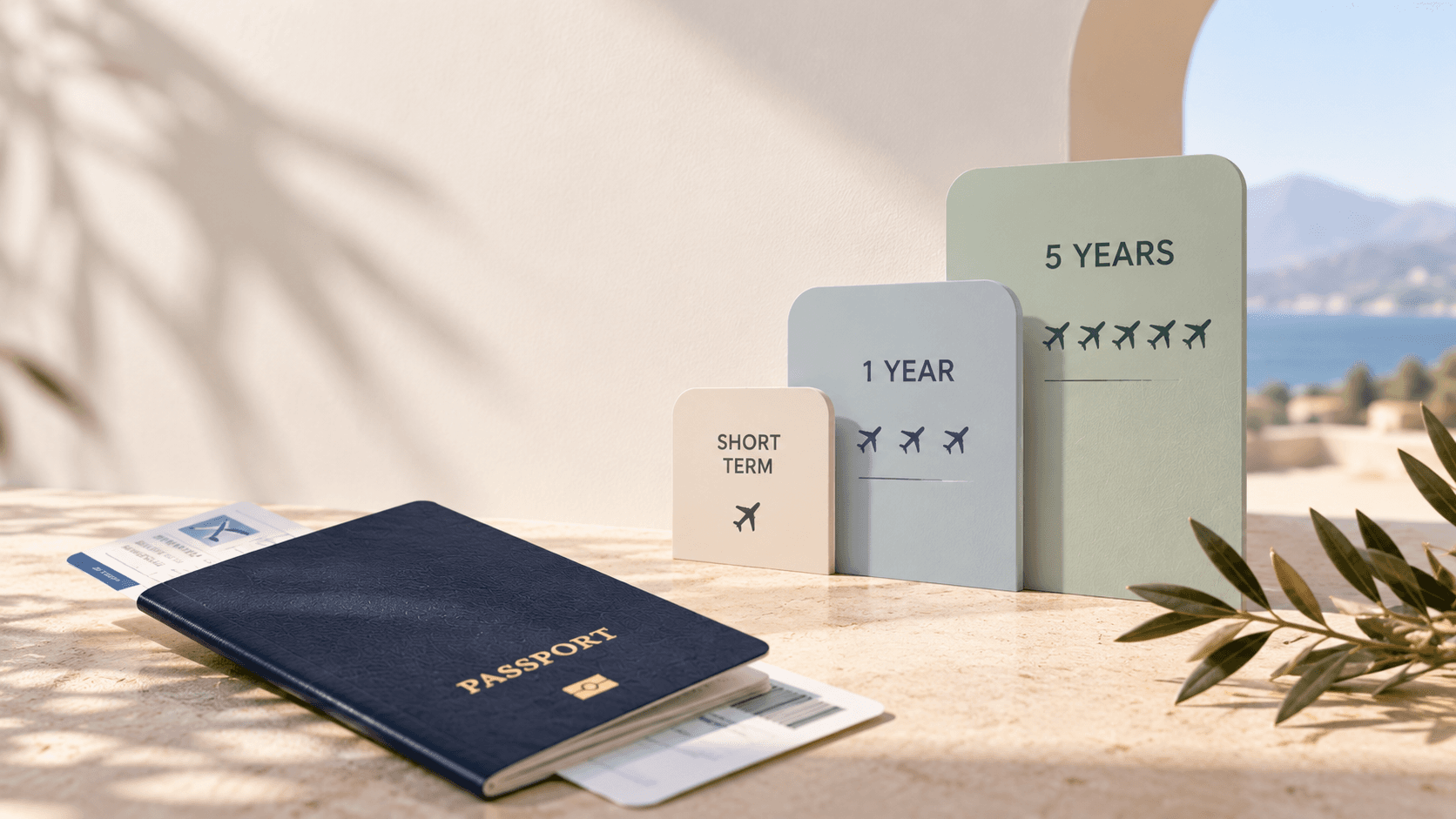
A 1-year or 5-year multiple-entry visa can save money and time if you visit the same country regularly. But is it cheaper than applying for a new visa for every trip?
The answer depends on your passport, visa fees and travel frequency. A longer visa is only worth it if you use it enough times.
Which Countries Offer Multiple-Entry Visas?
- India: 1-year and 5-year multiple-entry e-Tourist Visas.
- Saudi Arabia: 1-year multiple-entry tourist eVisa.
- Vietnam: Multiple-entry eVisa valid for up to 90 days.
- Egypt: Single-entry and multiple-entry tourist eVisas.
Not every country offers a 5-year tourist visa, and each visa has its own stay limits.
How to Calculate If a Long-Term Visa Is Worth It
Use this simple formula:
Long-term visa fee ÷ cost of a shorter visa = break-even number of applications.
For example, if a 5-year visa costs $200 and a shorter visa costs $40, you would need five shorter visa applications to reach the same government fee.
Remember that fees can vary by nationality, and additional payment charges may apply.
Is India's 5-Year Visa Worth It?
India offers 1-year and 5-year multiple-entry e-Tourist Visas. The best option depends on your passport and how often you visit.
For example, the official fee schedule cited in this guide lists:
- Azerbaijani passport: $40 for 1 year; $200 for 5 years.
- US passport: $40 for 1 year; $160 for 5 years.
- UK passport: $129 for 1 year; $484 for 5 years.
These examples show why calculating the cost for your nationality matters.
Important: A 5-year visa does not allow you to stay in India continuously for five years. The published rules limit total stay to 180 days per calendar year for the 1-year and 5-year tourist visas.
What About Saudi Arabia, Vietnam and Egypt?
Saudi Arabia: Its tourist eVisa is valid for one year and generally allows multiple entries, with a maximum stay of three months under the published conditions.
Vietnam: Its eVisa is valid for up to 90 days. The multiple-entry option is useful if you enter Vietnam several times within that validity period, but it is not a 1-year or 5-year visa.
Egypt: The listed tourist eVisa fees are $30 for single entry and $65 for multiple entry. The multiple-entry option may be useful for repeat visits, depending on its validity and conditions.
Always verify current fees and visa rules on the official immigration website before applying.
When Should You Choose a Multiple-Entry Visa?
A multiple-entry visa may be worthwhile if you:
- Visit the same country several times a year.
- Need multiple entries during one trip.
- Want to avoid repeated applications.
- Expect to travel throughout the visa's validity period.
If you plan only one trip, a shorter visa may be sufficient.
Frequently Asked Questions
When does a multiple-entry visa save money?
When its fee is lower than the combined cost of the separate visas you would otherwise need for your planned trips.
Is India's 5-year eVisa worth it?
It depends on your nationality, the applicable fee and how often you visit India.
Does a 5-year visa let me stay for five years?
No. Visa validity and permitted length of stay are different. You must follow the visa's stay limits.
Does Vietnam offer a 5-year tourist eVisa?
No. Vietnam's eVisa has a maximum validity of 90 days under the rules covered here.
Is Egypt's multiple-entry eVisa cheaper?
At the listed fees, two $30 single-entry visas cost $60, compared with $65 for a multiple-entry visa. Its value also depends on validity and convenience.
Share this post:


