

 Table of contents
How to Spot a Fake E-Visa Website in 30 Seconds
- Published
- 4 min read
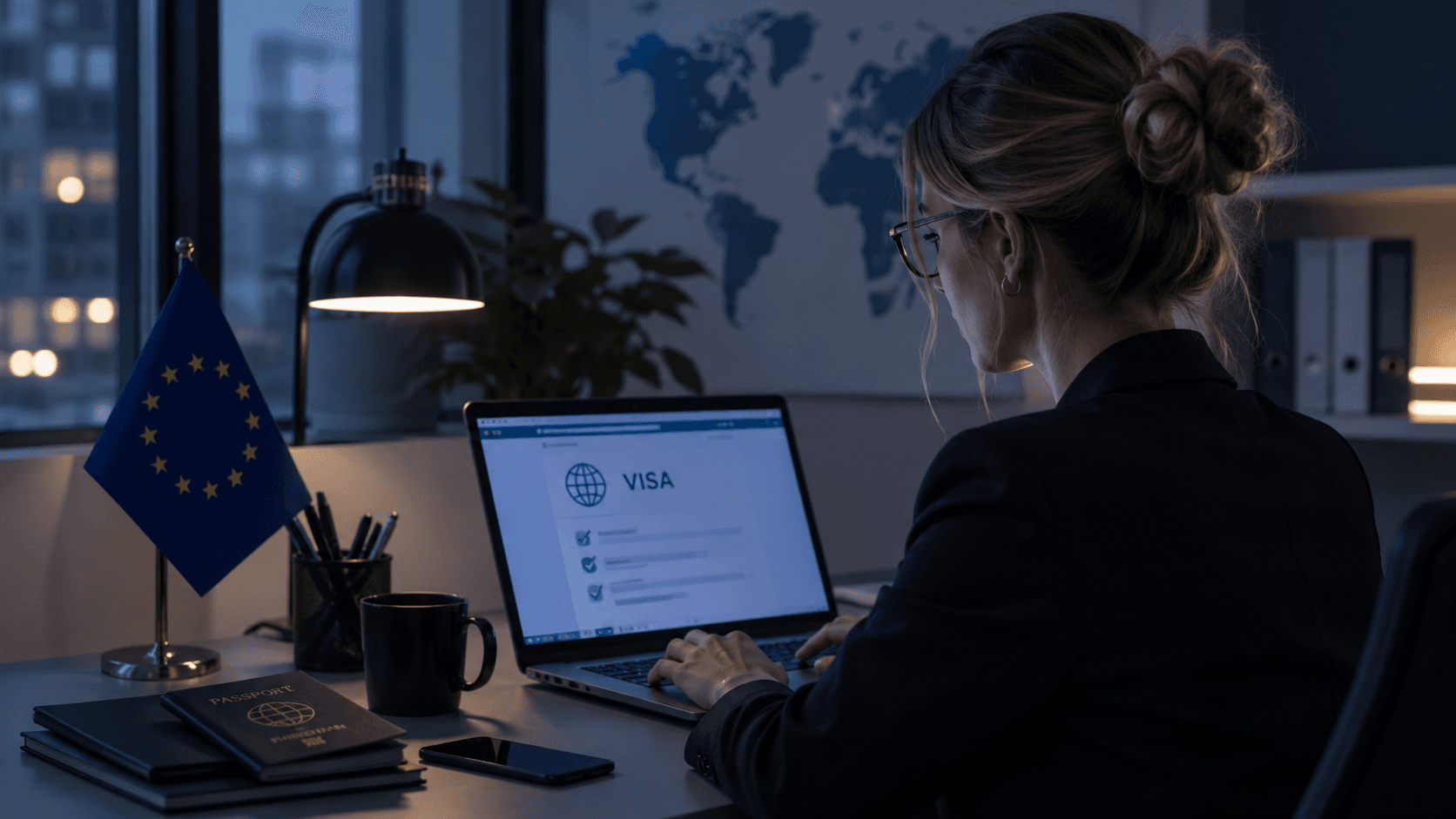
Applying for an e-visa online is convenient, but not every visa website is official or trustworthy. Some fraudulent websites copy government logos, flags and official-looking designs to deceive applicants and collect personal or payment information.
Fortunately, you can identify many suspicious e-visa websites in just 30 seconds by checking their domain, government links, fees and approval claims.
5 Ways to Identify a Fake E-Visa Website
- Check the Website Domain
Start by examining the website address. Official visa portals often use government domains, such as:
- Vietnam: evisa.gov.vn
- Cambodia: evisa.gov.kh
- Laos: laoevisa.gov.la
- Sri Lanka: eta.gov.lk
A .com domain does not automatically mean a website is fraudulent, but be cautious if a private website presents itself as an official government portal.
- Verify the Official Government Link
Visit the destination country's official immigration department, Ministry of Foreign Affairs or embassy website. Find its visa application page and check whether it links to the website you intend to use.
This is one of the most reliable ways to verify an e-visa portal.
- Compare Visa Fees
Check the official government visa fee before making a payment. Private visa agencies may charge additional service fees, which is legitimate if they clearly explain the difference.
Be cautious of websites that present unexplained additional charges as mandatory government fees.
- Avoid Guaranteed Visa Approval Claims
No private visa agency can guarantee that a government will approve your application. Claims such as "100% visa approval", "guaranteed visa" or "special embassy approval" are major warning signs.
A visa service can assist with application preparation, but the final decision belongs to the immigration authority.
- Check Contact and Company Information
A trustworthy visa service should clearly identify who operates the website, explain its services and provide accessible contact information, terms and privacy policies.
Avoid websites that hide their identity or use government logos without identifying the responsible government agency.
Can a Private E-Visa Agency Be Legitimate?
Yes. Not every website outside a government domain is a scam. Private visa agencies can legally provide application assistance and charge service fees.
However, they should clearly explain that they are independent service providers, distinguish their fees from government charges and never promise guaranteed approval.
What Should You Do If You Find a Fake Visa Website?
If a website looks suspicious, do not enter your passport, personal or bank card details. If you have already made a payment, save the website address, transaction receipt and email correspondence. Contact your bank if you suspect fraud and check with the relevant immigration authority whether your application was submitted.
Frequently Asked Questions About Fake E-Visa Websites
How can I check if an e-visa website is official?
Visit the destination country's official immigration or foreign-affairs website and follow its visa application link. Check the domain and payment details before applying.
Is a .com visa website automatically fake?
No. Private visa agencies can use .com domains. However, they must not misrepresent themselves as government authorities.
Can a visa agency charge more than the official government fee?
Yes. Agencies can charge additional service fees, provided they clearly disclose them.
Can a visa agency guarantee visa approval?
No. Only the relevant government or immigration authority can decide whether to approve a visa application.
Are government logos proof that a visa website is official?
No. Fraudulent websites can copy government logos, flags and official-looking designs.
ways verify the source before sharing your personal information or making a payment.
Share this post:


